Barnacle Goose.
Historical Victorian Taxidermy |
|---|
Barnacle Goose.
Victorian
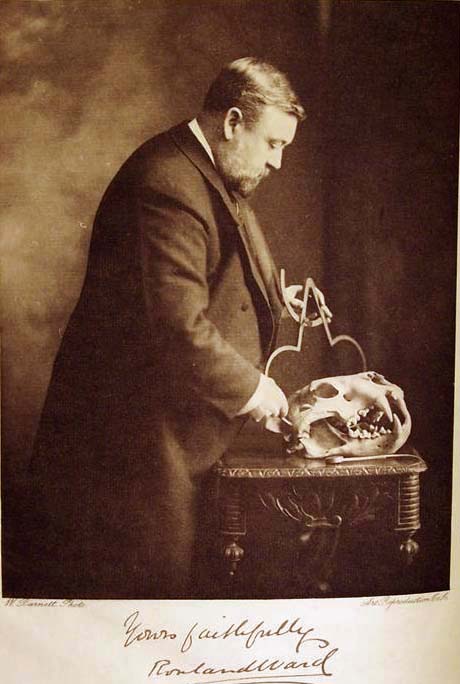
Rowland Ward
Peter Spicer
James Hutchings
Bill Cox of Liverpool
James Gardner
Thomas Edward Gunn
Thomas Jefferies
A.S.Hutchinson
H T Shopland
J Cullingford
Walter Potter
Carl Ethan Akeley
Abraham Dee Bartlett
John James Audubon
John Gould
William Borrer
Henry Murray
Scottish Taxidermy
Norfolk Taxidermy
H Shaw of Shrewsbury
Mountney of Cardiff
Farren of Cambridge
White of Salisbury
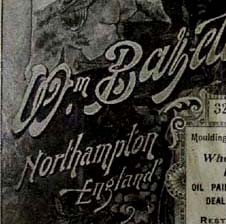
Bazeley of Northampton
Williams of Dublin
Great Auk taxidermy
Swaysland of Brighton
J.A.Cole of Norwich
Lowne of Great Yarmouth
George Bristowe
Historical
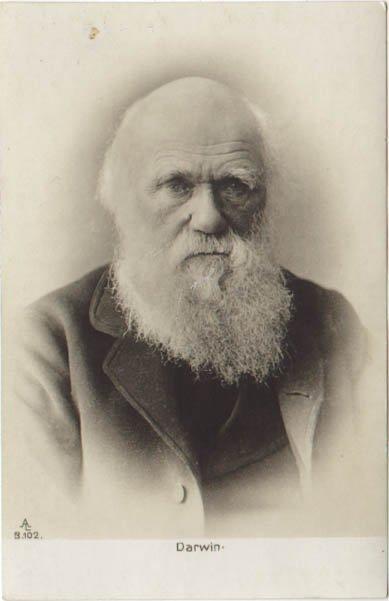
Charles Darwin
Taxidermy Trade Labels
Stereoviews of Taxidermy
Victorian Taxidermy
Edwardian Taxidermy
The Great Exhibition of 1851
Passenger Pigeon
Countdown to Extinction
Richard Lydekker F.R.S.
Modern
AJ Armitstead
David Keningale
Modern Taxidermy
Reproduction Eggs
How to complete a case
Collections
Four Elms Collection
Four Elms Collection II
Booth
Booth II
Booth III
Booth IV
Ogilvie Collection
Ogilvie I Collection
Ogilvie II Collection
Ogilvie III Collection
Gallery
TaxidermyGallery1
TaxidermyGallery2
TaxidermyGallery3
TaxidermyGallery4
TaxidermyGallery5
TaxidermyGallery6
TaxidermyGallery7
TaxidermyGallery8
TaxidermyGallery9
TaxidermyGallery10
TaxidermyGallery11
TaxidermyGallery12
Taxidermy Trade Labels
Bass Rock Scotland
Taxidermy Birds
American
Taxidermy in America
Taxidermy in America II
Taxidermy in America III
Chicago Natural History Museum
Restoration
Taxidermy Restoration
Housekeeping
Value
UK Taxidermy Price Index
Fish
Fish Taxidermy
Mammals
Mammals
Trophies/Games Mounts
Articles
Taxidermy Forums
Museums
Guilds
UK Taxidermists
Taxidermy Articles
Taxidermy Dealers
Taxidermy Suppliers
Hunting
Fishing
Field Sports
Law
Taxidermy Law
Links
Taxidermy Links
Wanted
Taxidermy Wanted
Limits of Liability
We are a group of the UK's largest and most dedicated collectors. We are always seeking to purchase only quality items of Victorian and Modern taxidermy. The site was launched August 2004 and is the best resource on the internet for the History of British Taxidermy, given the number of taxidermists represented. No other internet site has the same level of detail and content. Not a boast just a simple fact. |
|
|
|
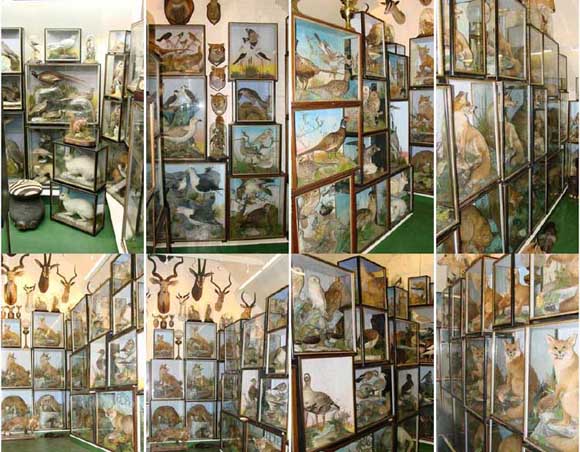
| Now there are Hutchings collectors and there are Hutchings collectors. This chap is perhaps the largest. These images are just a sample of what is in the collection. Most people do not have 40 cases by Hutchings let alone 44 foxes by one person. Also an additional 33 cases of foxes by other makers, so nearly 100 in total. Add that to the additional 1200 other quality cases and this is quiet a collection. That said we are always interested in buying more of the same. Just click on the Dragon below to see more images. |
Featured Taxidermy page on this site
"The Welsh Room".
www.Historical-Taxidermy.co.uk/.com
British Historical Taxidermy for sale.
TAXIDERMY ITEMS WANTED. Please respond via this on-line form HERE with a description of what you have for sale.
If you have items for sale then please email the address below:
Email: Enquiries@taxidermy4cash.com
Contained within this site are over 7225 individual images of Victorian and Modern taxidermy and taxidermy related material, located on some
192 individual pages. The most comprehensive website dedicated to Taxidermy. We will buy everything of quality you have for sale, no exceptions. To coin a phrase made recently, we collect dead people's dead things. We have,as the UK's largest resource, extensive / comprehensive knowledge of this subject which enables us ensure that the prices offered are both fair and accurate. Our price database of some 1700 plus quality "named" cases sold privately and at auction over the last 7 years ensures that our offers to purchase or to simply value are very realistic and reflect the current market trends. Now it has been an interesting 16 months or so, so apologies for not updating this site as much as normal. Still lots to report both now and in the future. We got a little distracted with the Museums Association, still that discussion will be set to continue and continue, as the majority of people we engaged with were disgusted at the outcome. All the best (wink).
Update on this development (26/6/2014). We mentioned Dr Flemming as being a member of the ethics board, when he is in fact the chairman of the MA's ethics committee. Dr David Fleming OBE, director of National Museums Liverpool, remember him???. He's the one who lost out on the Echalaz collection going to to a shed in Essex. A collection of regional importance to Liverpool and National Museums Liverpool with millions of visitors a year. We can only assume is a good thing for the unlikely future divestments of public property, given his recent experience with the Echalaz collection going to a shed in Essex.. Still no sign of the Echalaz and Pennington collections, nearly 2 years on since they were acquired in a flawed manner (MA's words not mine in report dated Spetember 2012 that looked into the disposal methodology). Petition Pat Morris the chairman of that club for an answer. He can be found at most Guild of Taxidermy meetings, he might be able to shed some light on proceedings, maybe not. One thing is for sure, giving away of public property is unlikely to ever happen again. Auction yes, money returned to the public, yes. Giving it away I DON'T THINK SO.
Further update
Echalaz collection
Email dated 1/8/2014
Dear........,
Thank you for your email below. I am instructed to advise you that the agreement between Sefton Council and BHTS Trust has been terminated and the collections have been accessioned by the Council as part of its museum collection. I trust that this resolves your enquiry.
Yours sincerely,
Peter Cowley,
Principal Lawyer,
Sefton MBC.
Personal comment to the above factual statement. This means that the collections have already been returned to Sefton Council, we suspect in July 2014. Once we have finished our discussions with the Museums Association and The Arts Council we shall publish everything on a separate page. This is publicly available information, as clearly as memnbers of the public we have a legal right to know, hey feel free to ask around. The trust document (terminated one) also made interesting reading. This, it would seem concludes, this vile, disgusting undertaking. I am sure if you ask, Pat Morris may be able to provide an explanation as he is the chairman of the trust. We found it morally offensive that during job cuts by Sefton council and shortfalls in the Local Authorities budget, they found time to negociate, with Kendal Museum and bhts trust to give away public property to the bhts trust. All this to the detriment of National Museums Liverpool who were not notified during that process and only found out when the public property was planned to be given away. I don't think so. Hence the sustained effort to get these items returned. Apparently they were always destined for public display, really?. Once again if you require an explanation as to morally offensive undertaking, I am assuming the chairman of the trust Pat Morris should have an answer for you. Recent news in Antiques Trade Gazette
.Cut and paste the link above. Dr Flemming (remember him??, also comments) I'd say there was NO chance of any more "goodies" coming out of the public sector. It is interesting to note that Northampton sold their taxidermy collection also and they feature in this editorial also.
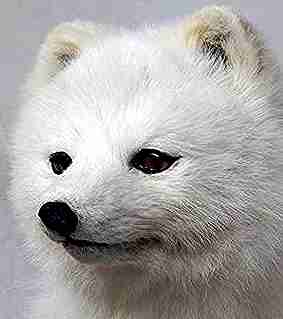
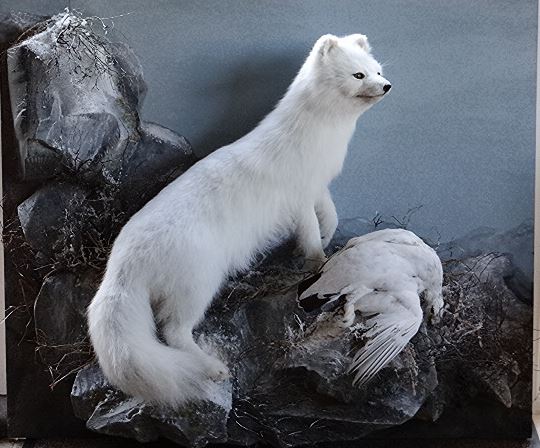
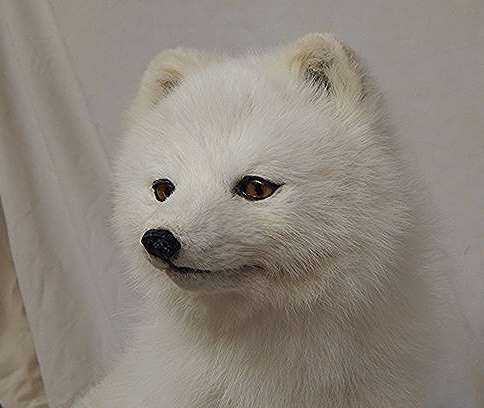
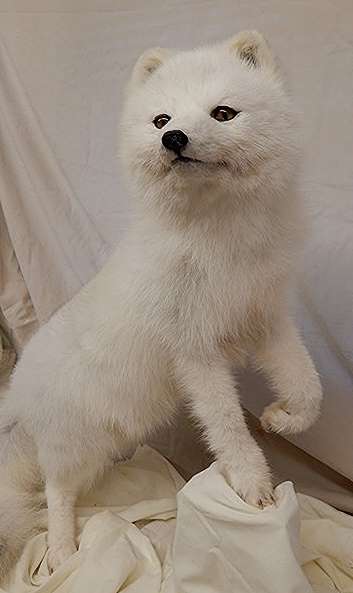
Arctic Fox (Vulpes lagopus).
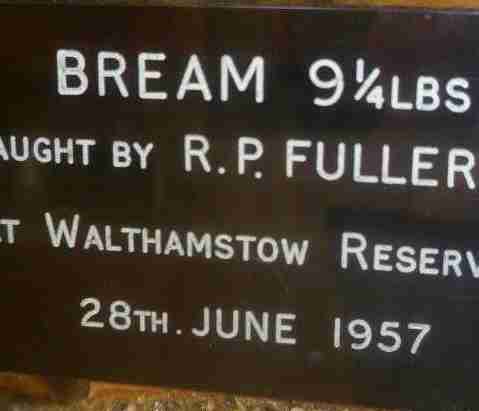
John Cooper, fish taxidermist.
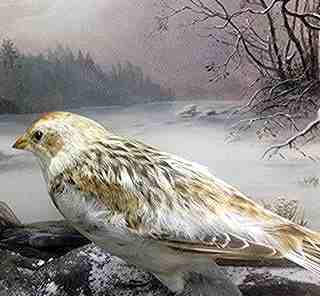
G.W.Quatremain.
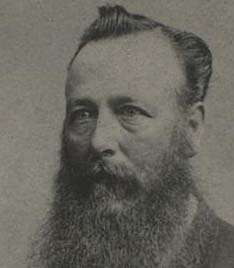
New images /information.
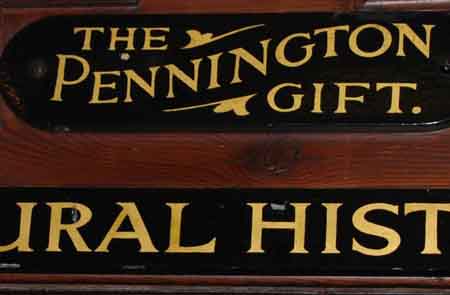
The Pennington Collection.
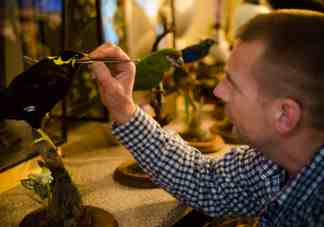
Bob Ellis Taxidermy.
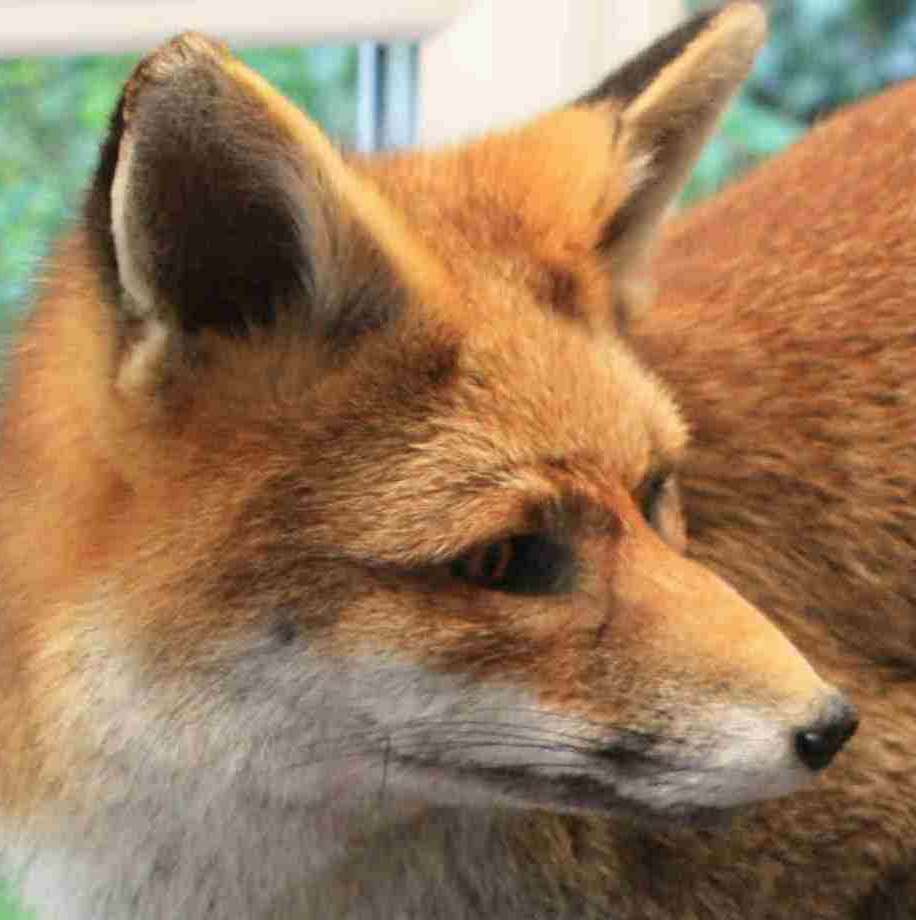
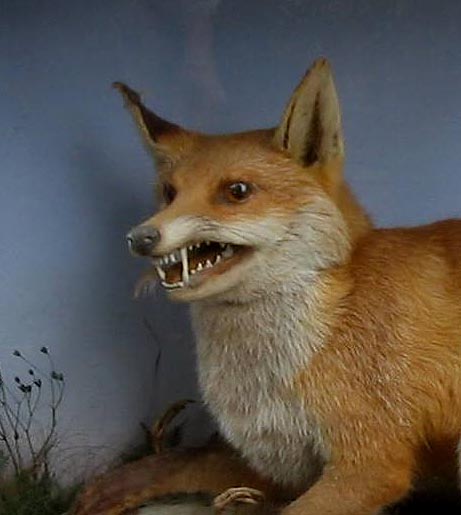
European Red Fox.
.JPG)
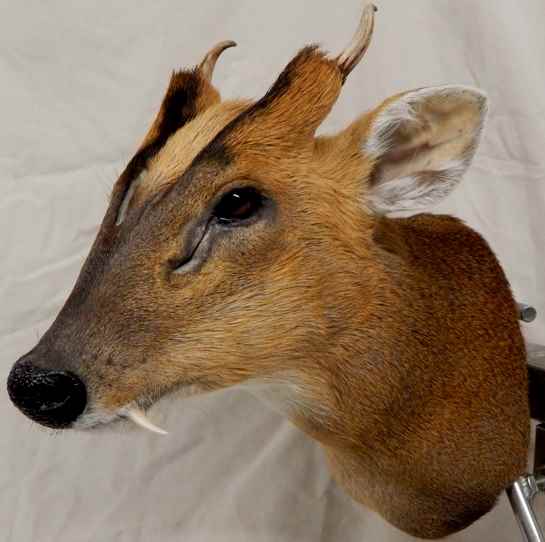
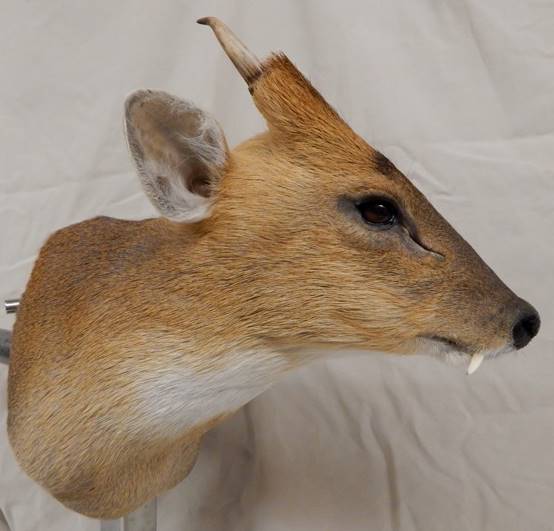
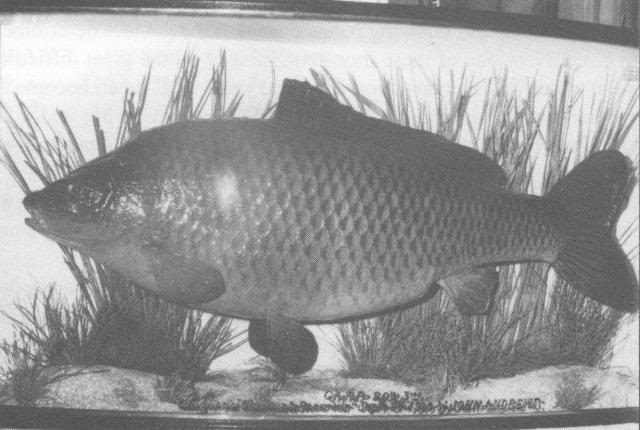
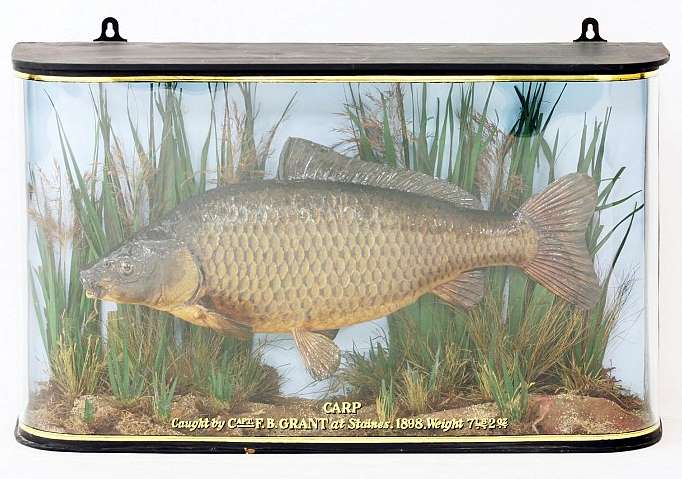
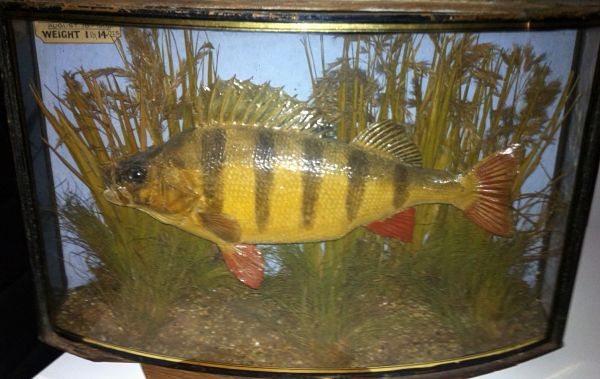
Recent John Cooper cased fish. We are always interested in buying such items from the Victorian and Edwardian period. Send us your enquiry and we will appraise the specimen for you also.
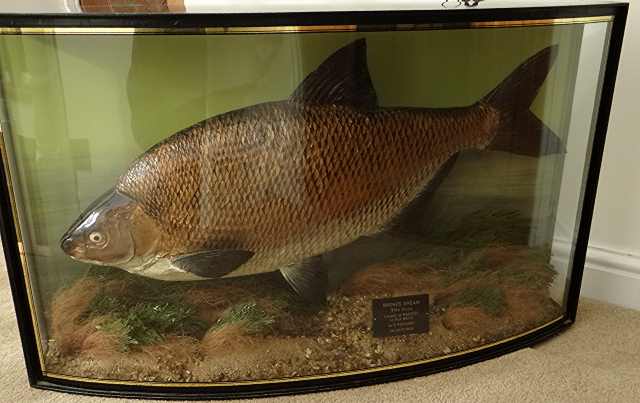
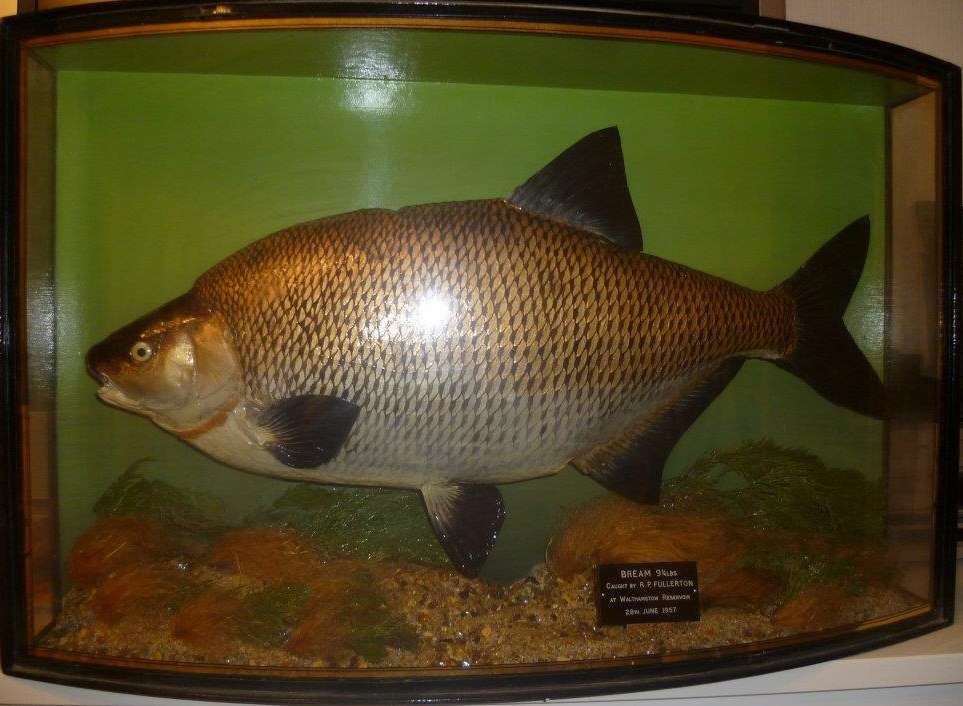
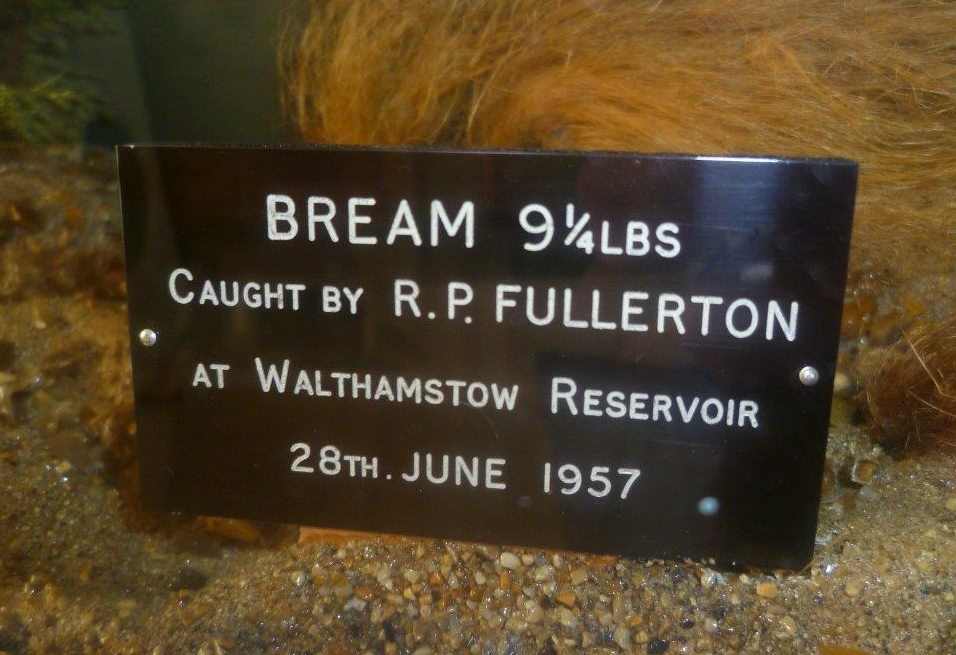
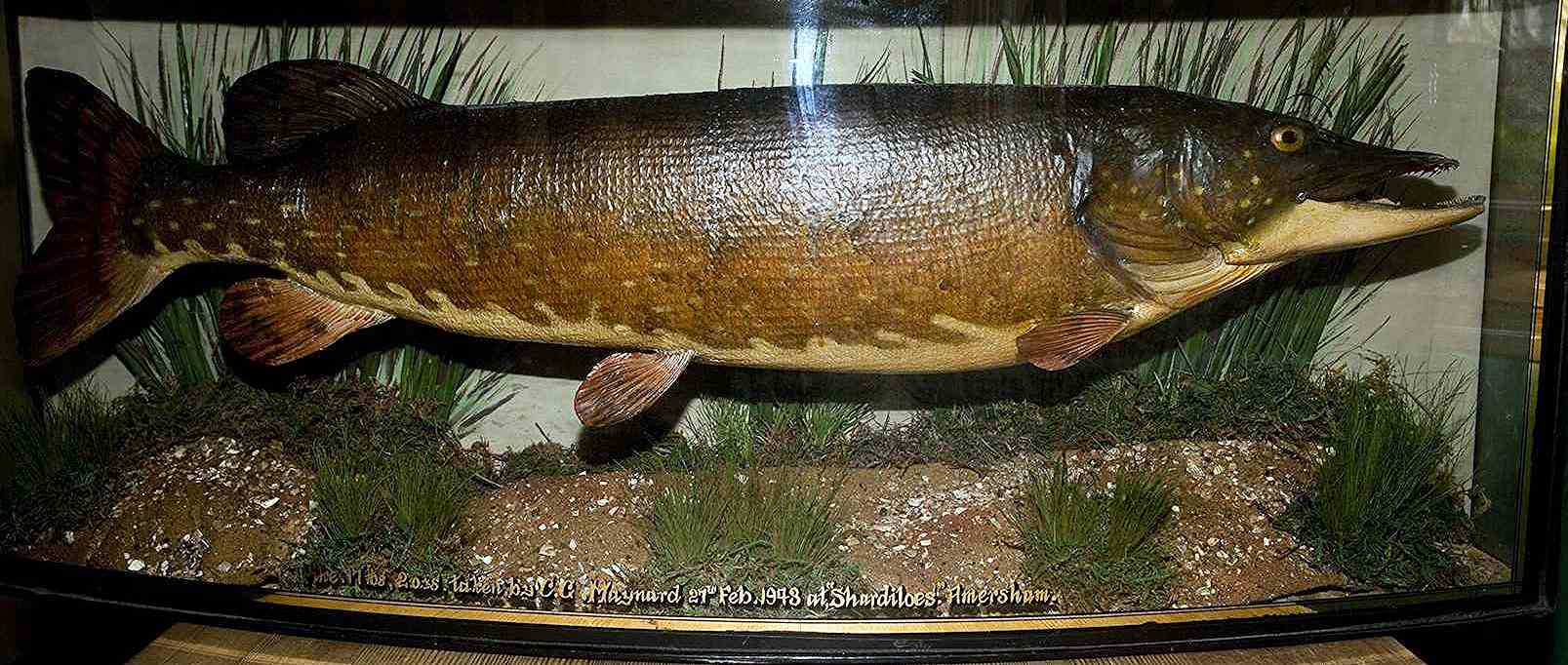
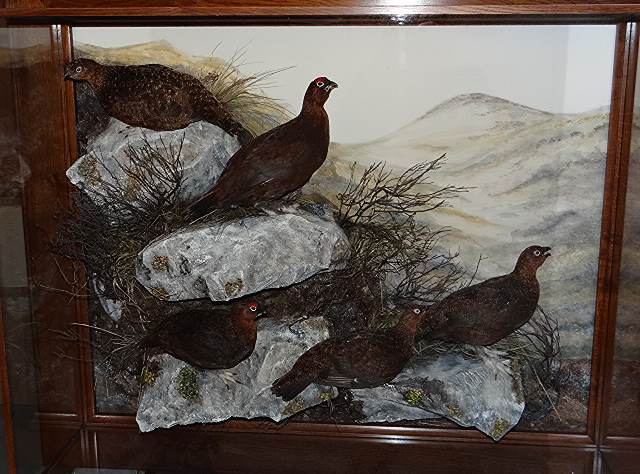
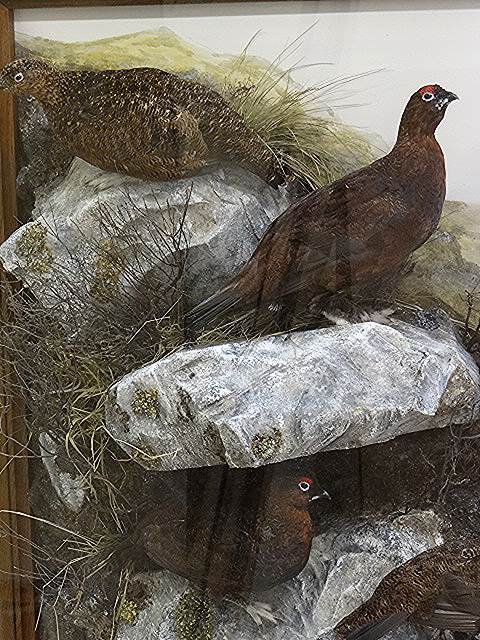
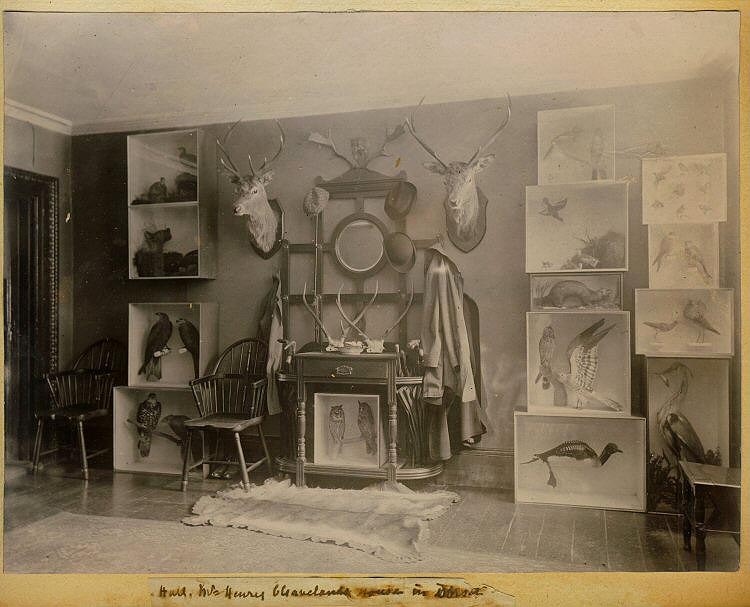
.JPG)
.JPG)
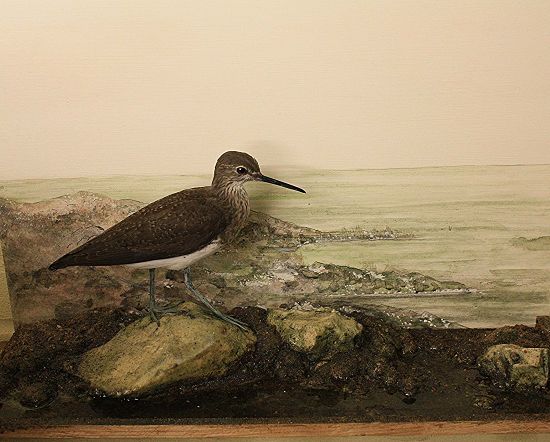
.JPG)
.JPG)
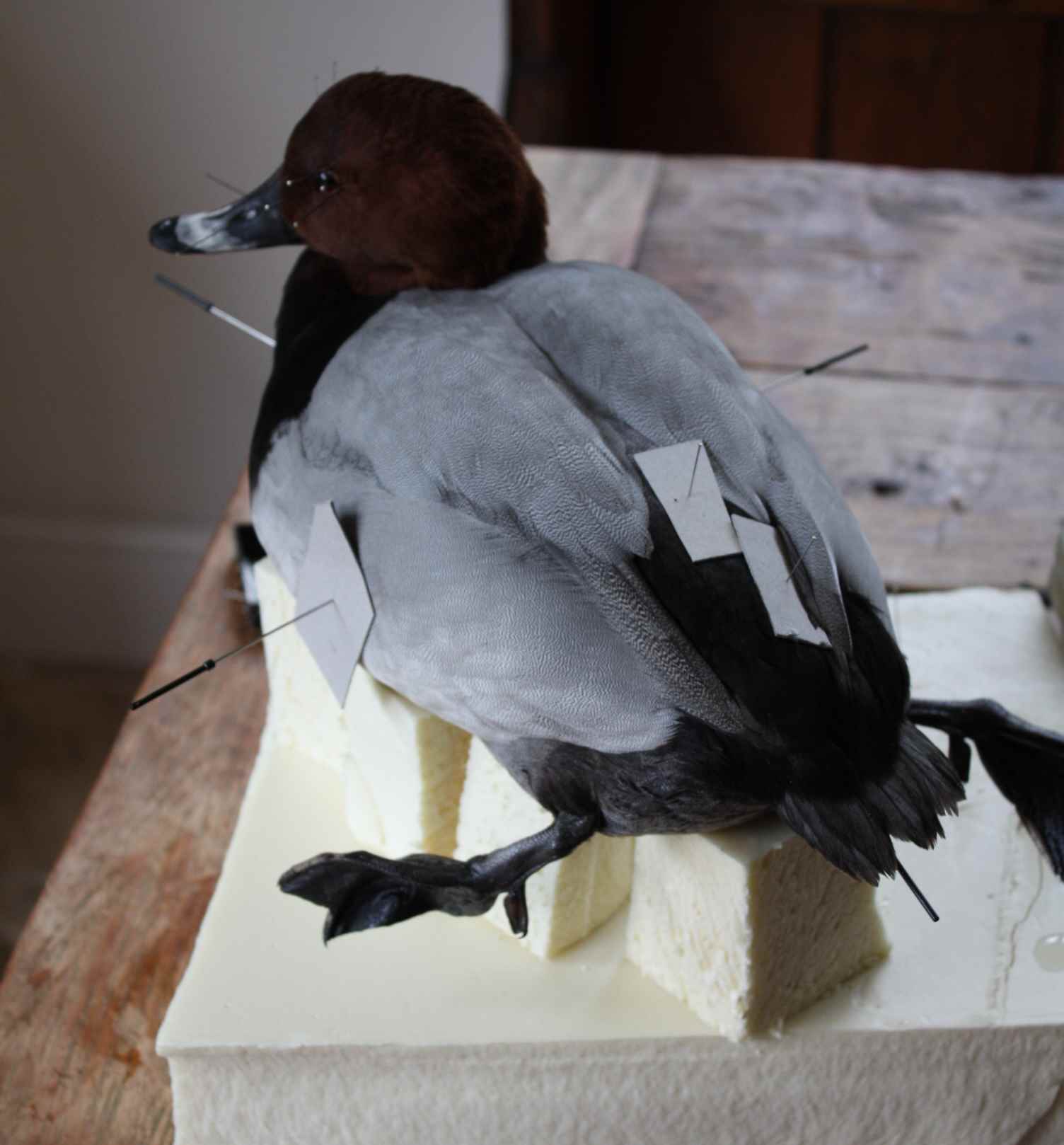
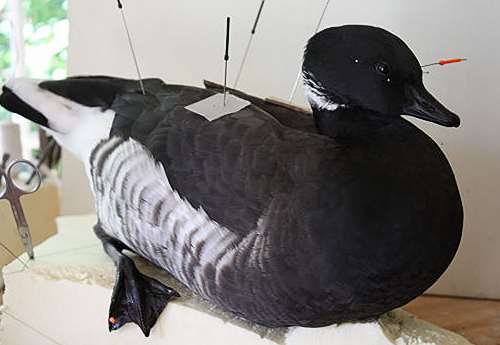
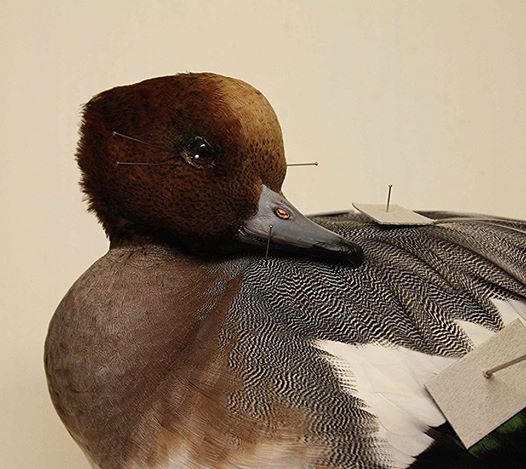
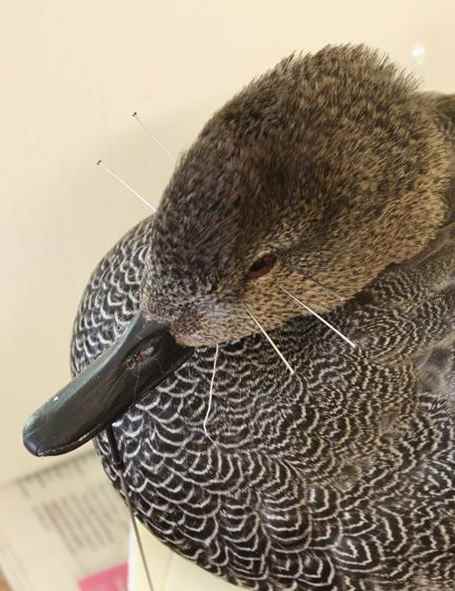
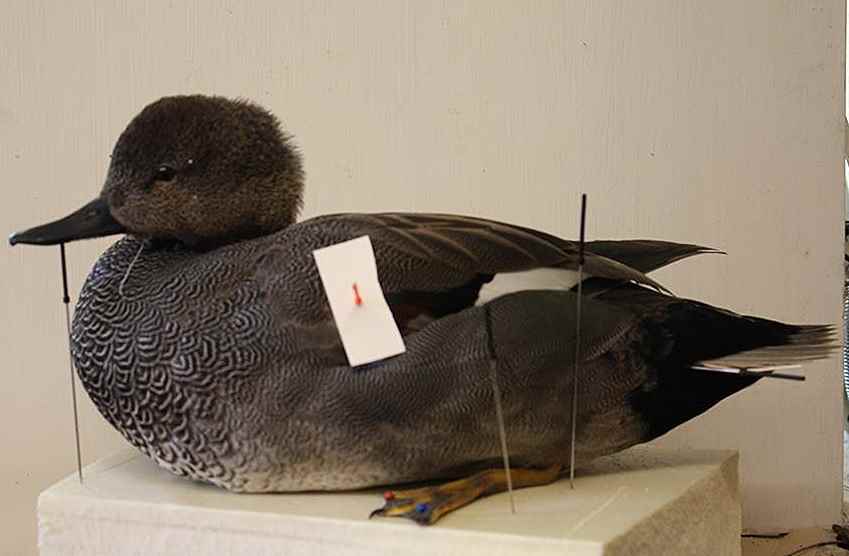
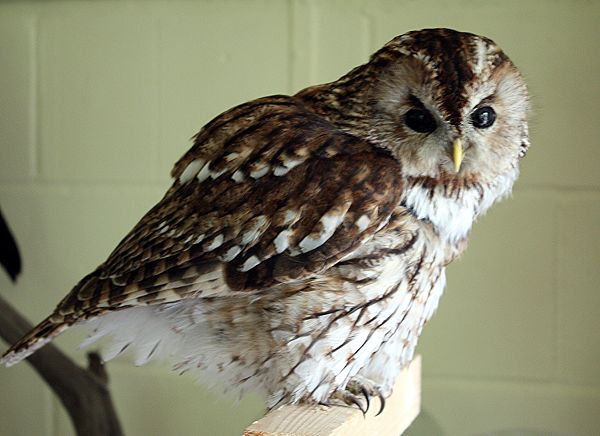
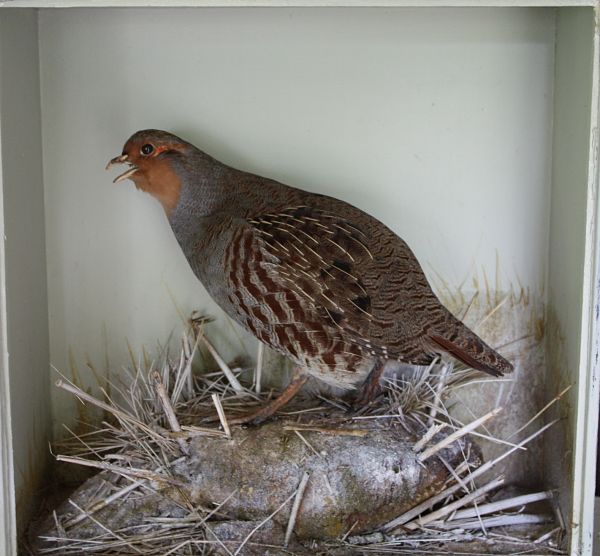
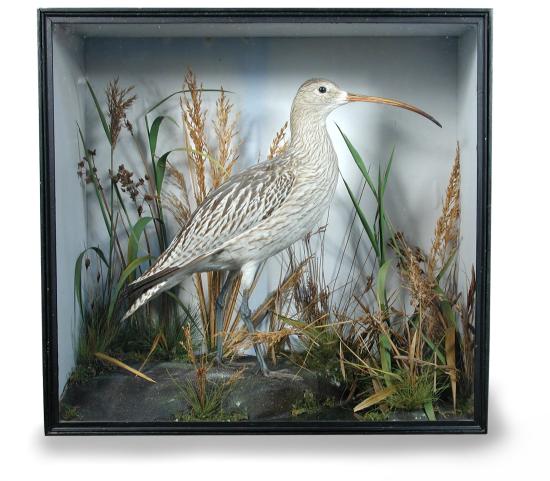
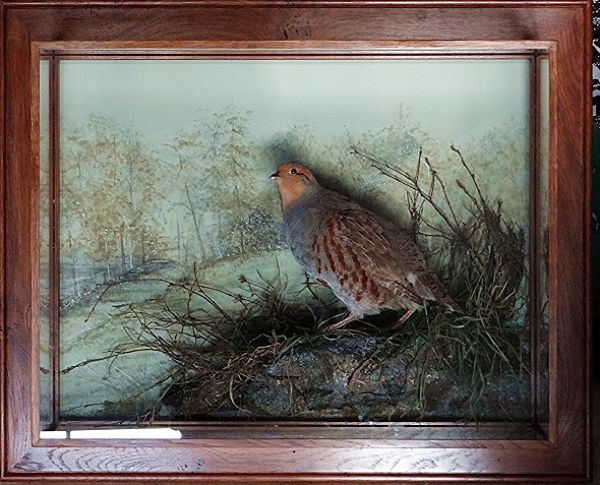
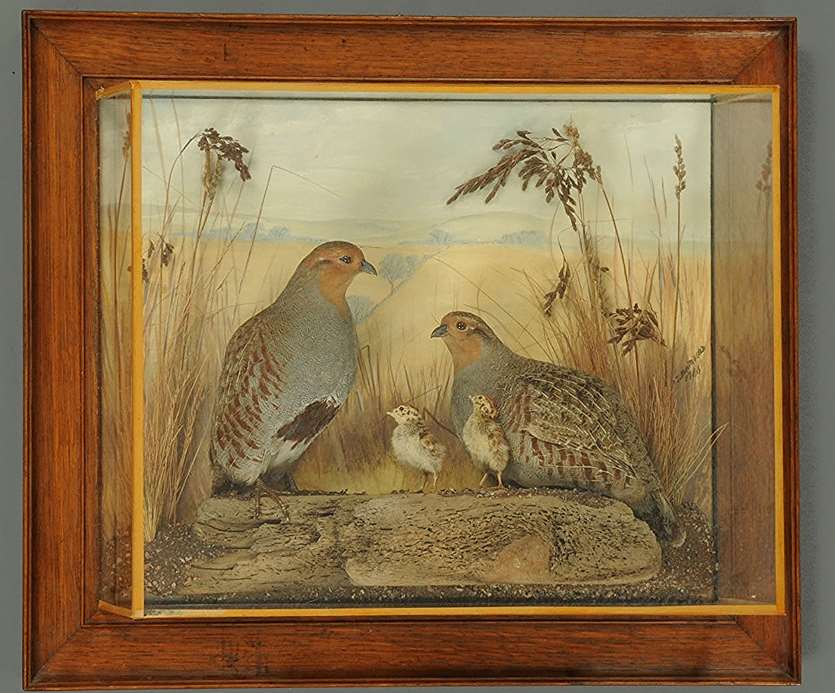
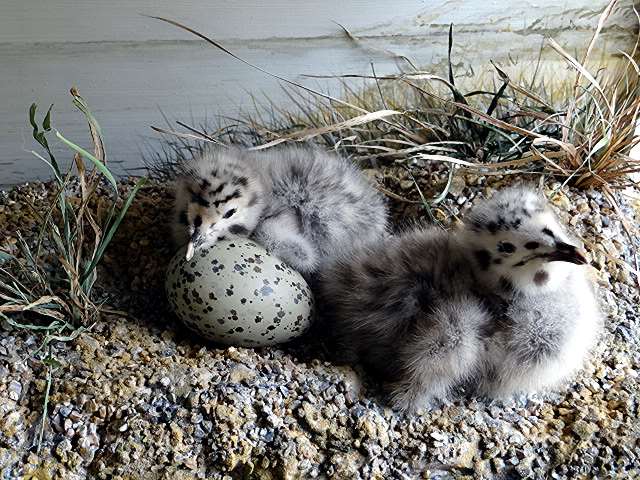
Memories of being taught by Fred Ashton 1906-1976
Somehow (I expect he had wide contacts in this field) he arranged for Fred Ashton (this would be around 1964) to come to the school every Sunday after chapel for taxidermy training sessions for about three months ( I expect Dick paid him a fee).
The first Sunday Fred arrived we could not believe what we were seeing. He arrived on a motor bike and sidecar, the latter filled with all his equipment , and he was wearing an old army great coat and tight leather pilot's flying helmet with goggles - he was soaked to the skin (he had come 25 miles from his home in Norwich). Over the next 10 -12 weeks he proved to be probably the most, eccentric person I've ever met.
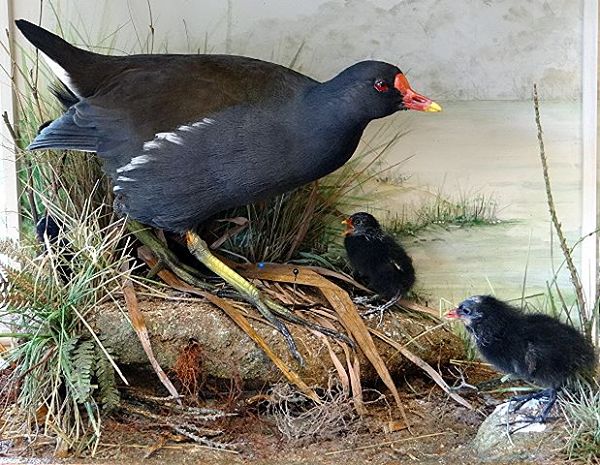
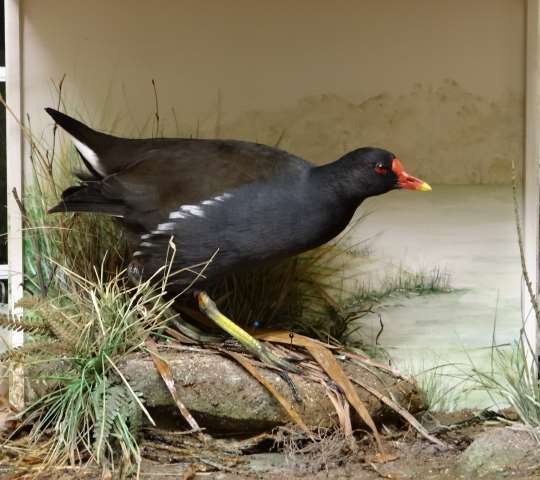
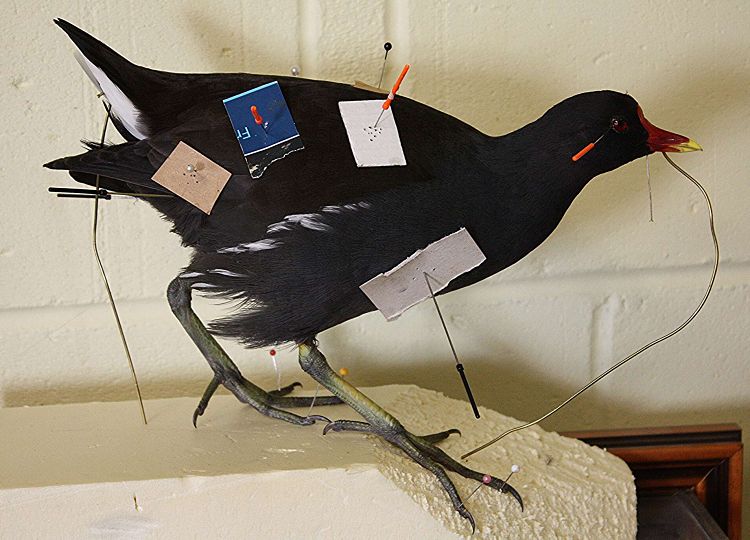
We went through all the preliminaries in the first lesson and I remember he was meticulous in recording species, sex , measurements, colours , and dates. We started with skinning practices being careful to remove all flesh and preserving with borax powder . We did birds ( he brought us some moorhens as our first subjects - he kept the bodies and said he would eat them - we thought he was pulling our legs) making bodies from wood wool and packing muscle masses with plumbers tow. We did mammals ( I remember he did a smelly stoat !) with tow on a wire frame and we did fish with a wire through the middle and packed with sawdust. He mounted most of his specimens on a simple perch or boards writing all the details of specimen in pencil underneath. I remember he didn't tell us a lot about background scenery etc.etc., but we got artificial eyes from Watkins and Doncaster.
Two of us stuck the full course and Fred was always reliable even when some started to fall away. I made lots of notes at the time and have done several specimens over the years , but you really need a lifetime of practice and observation to be really good. I feel privileged to have been taught by a practitioner who was one of the last of the Thomas Gunn school . I was grateful to Fred and enjoyed his lessons all those years ago. I never saw him again - I became a veterinary surgeon !!.
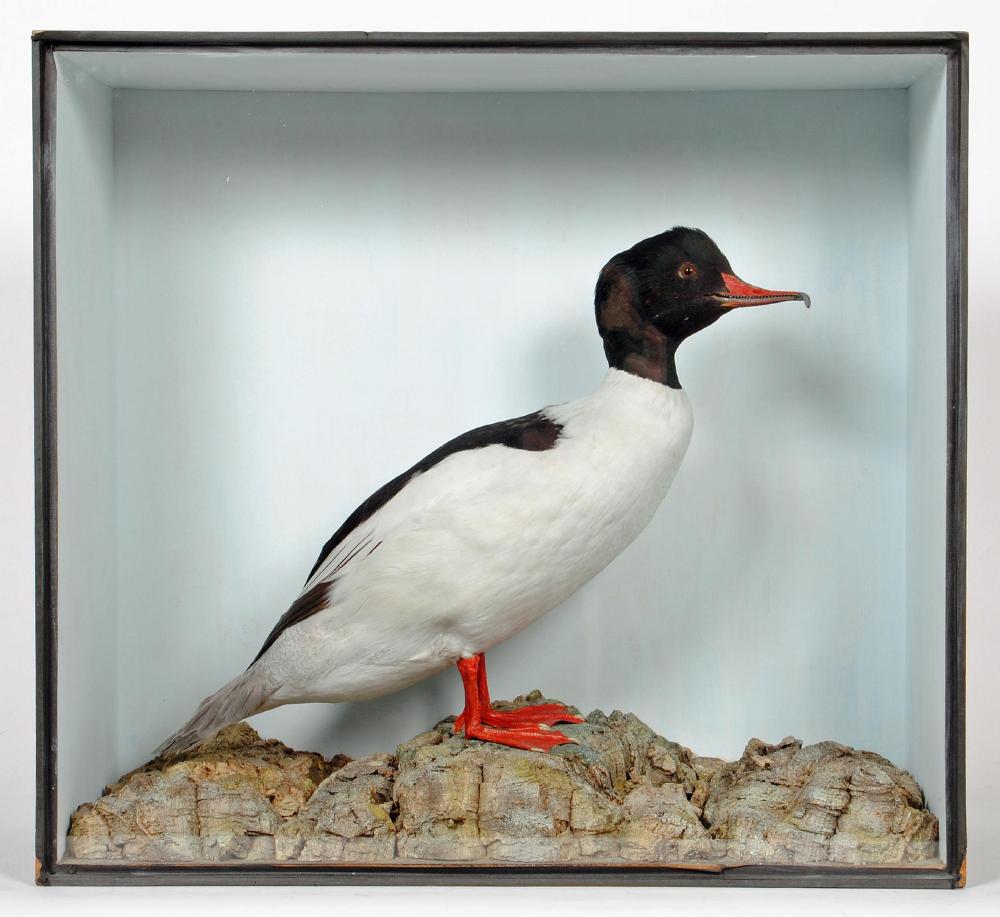
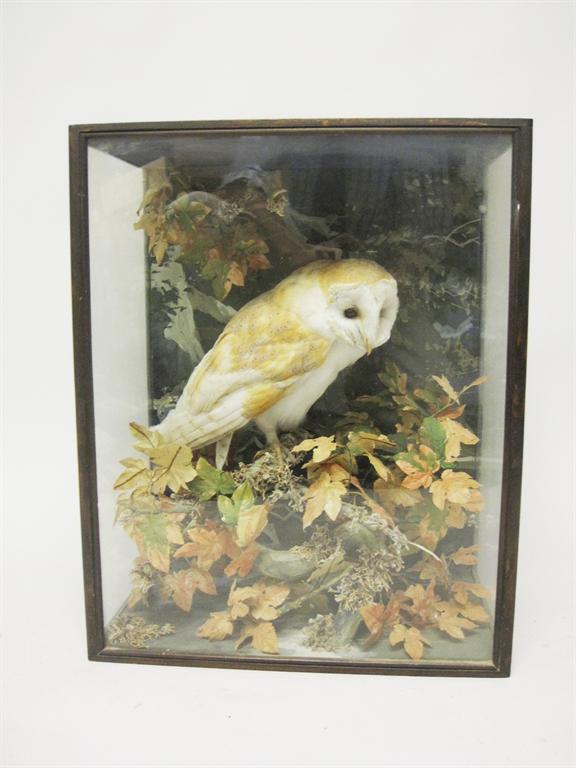
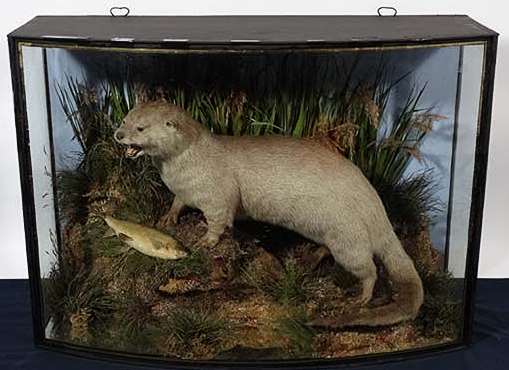
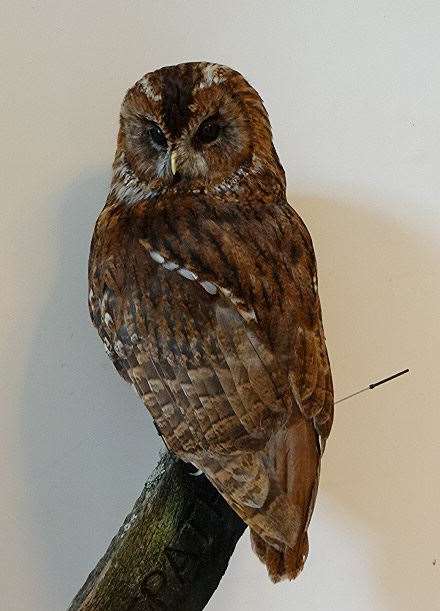
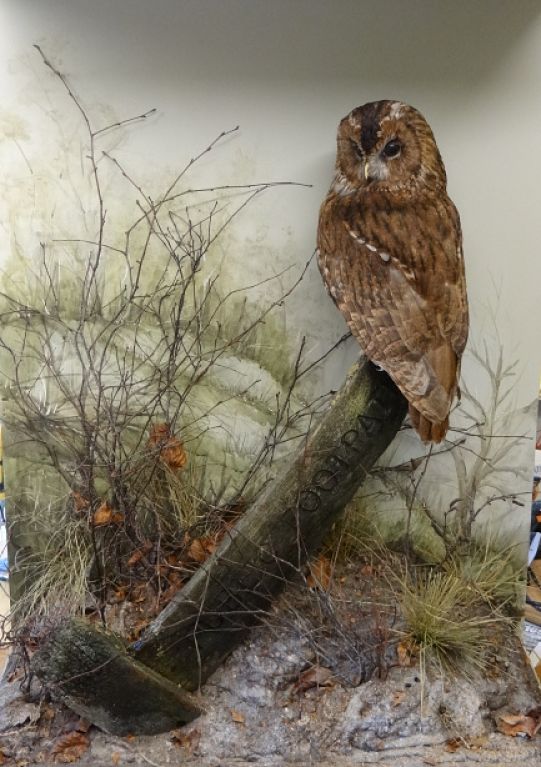
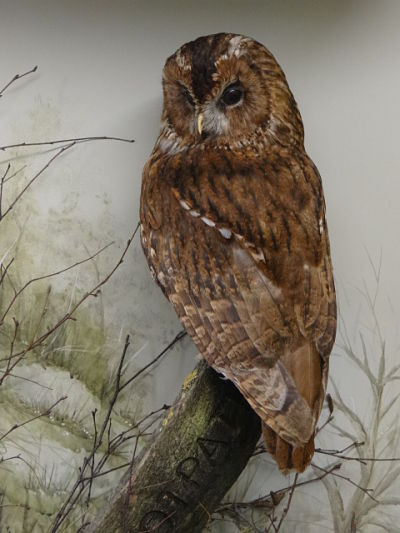
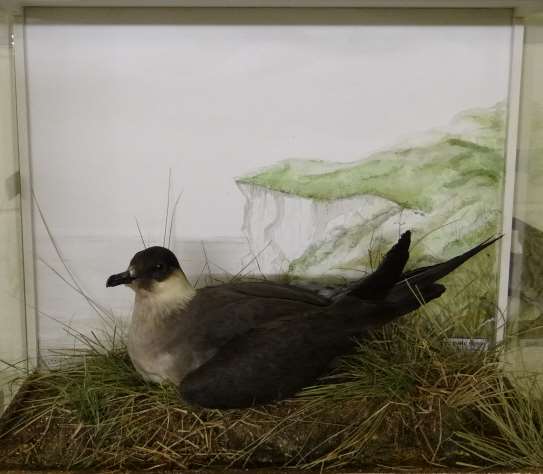
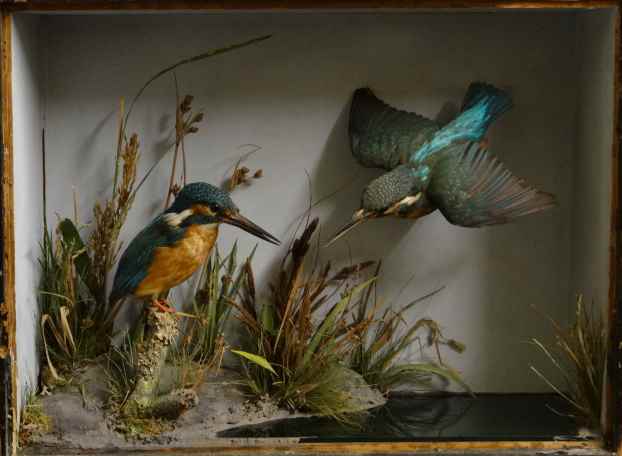
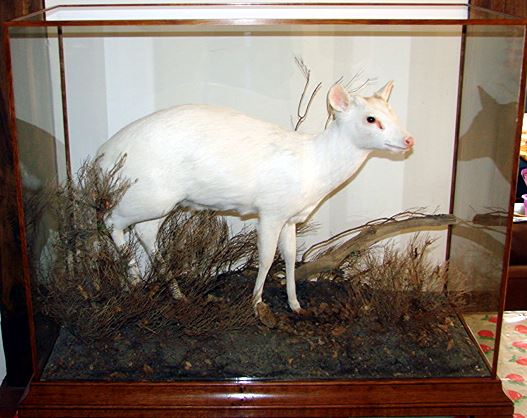
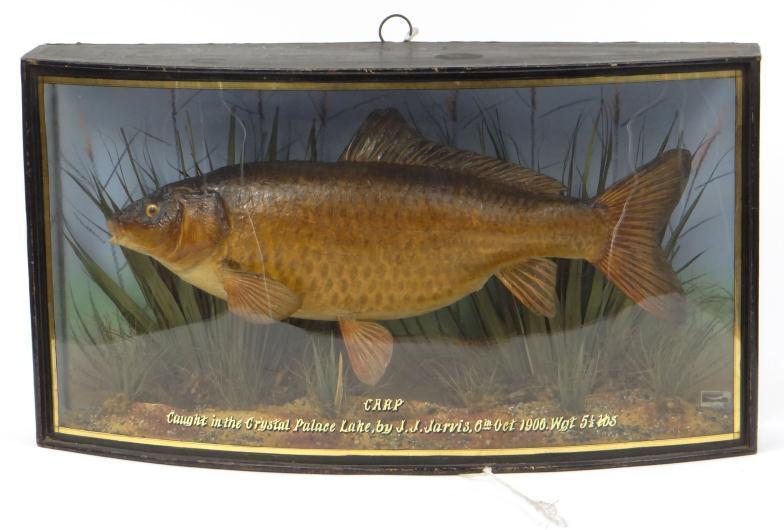
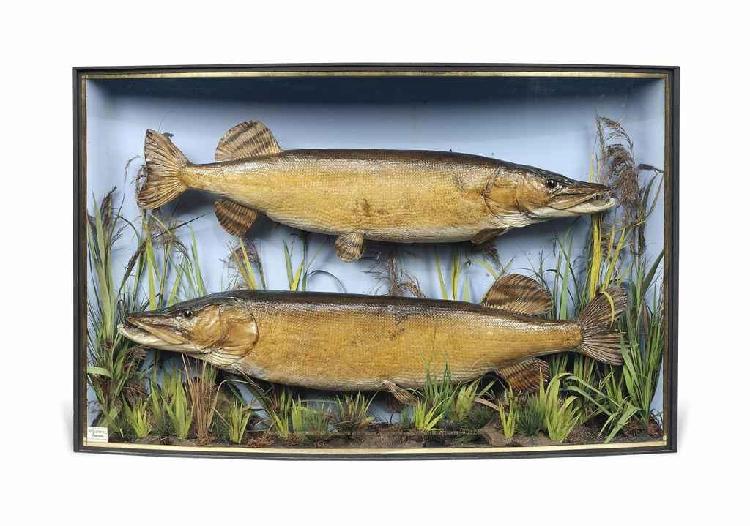
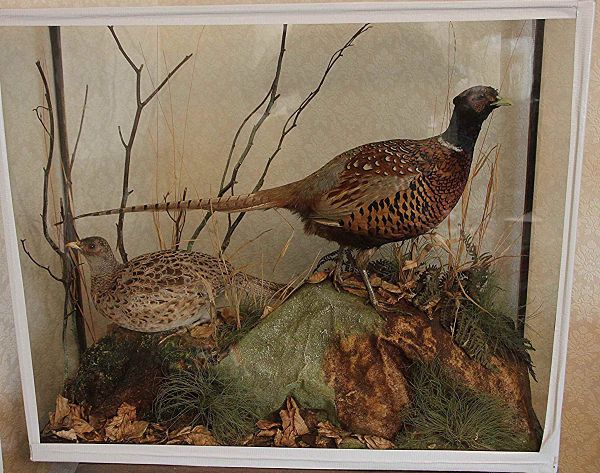
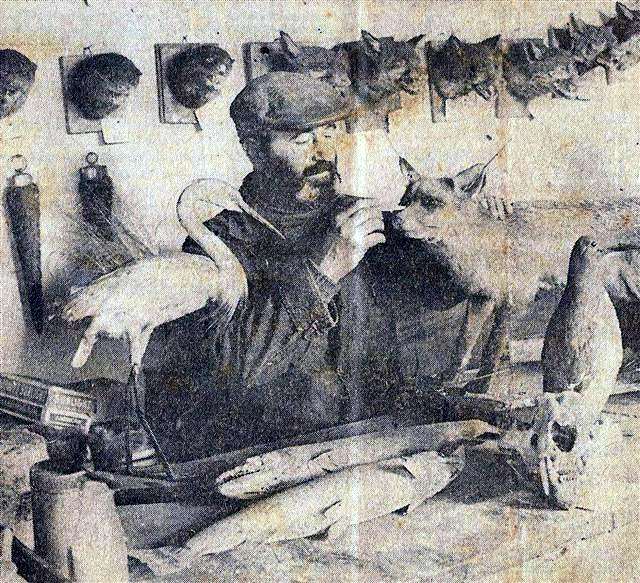
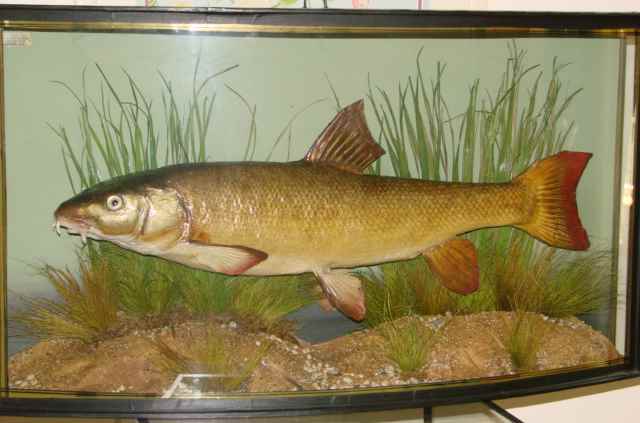
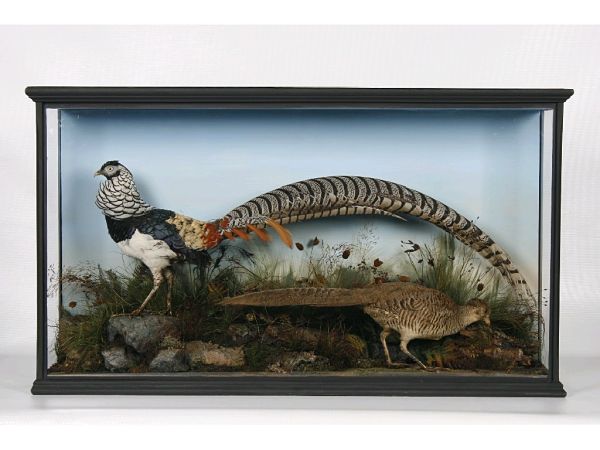
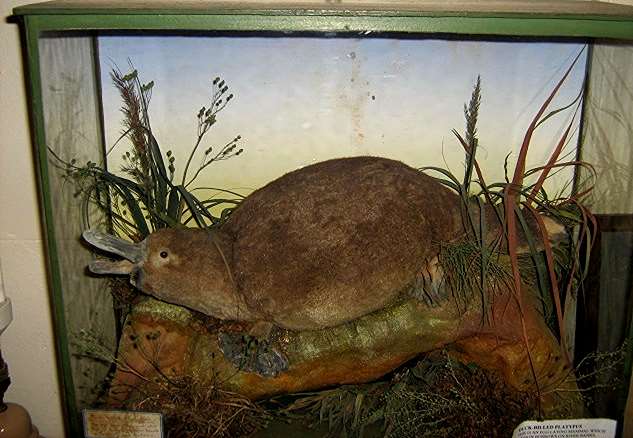
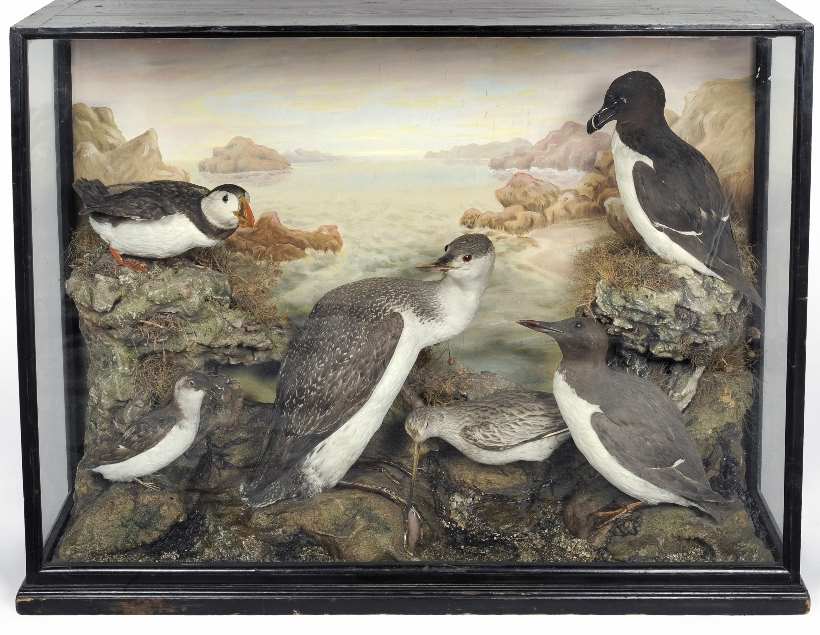
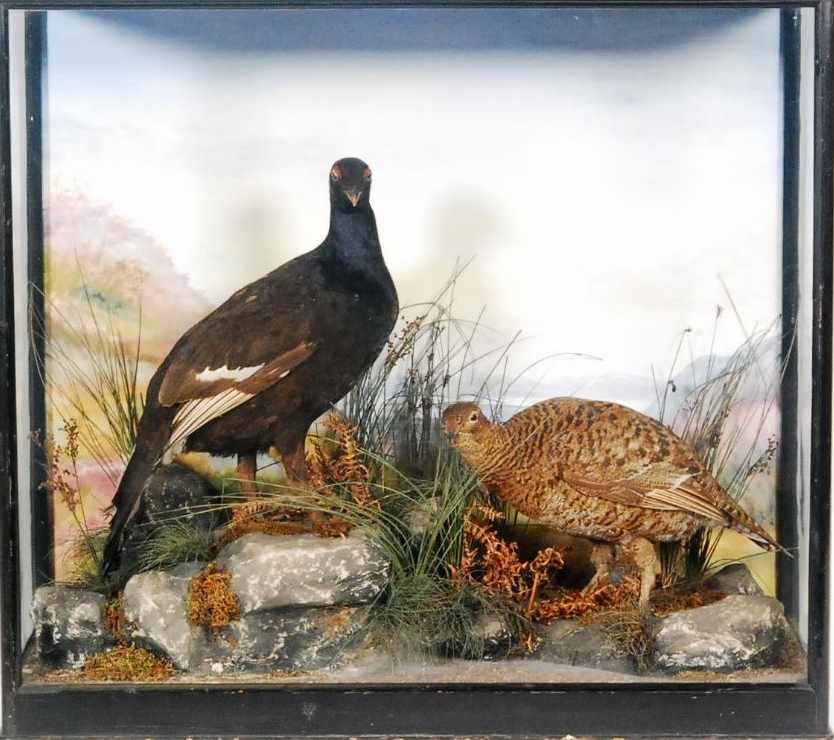
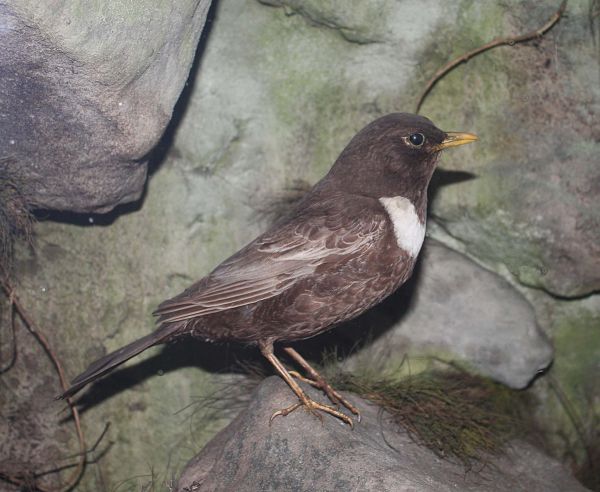
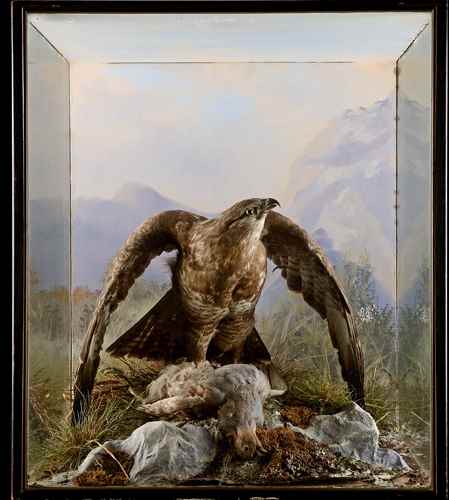
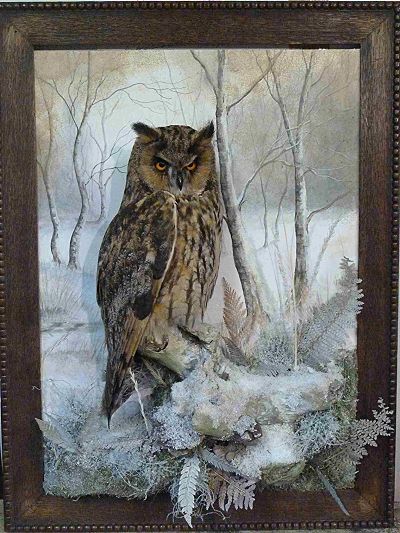
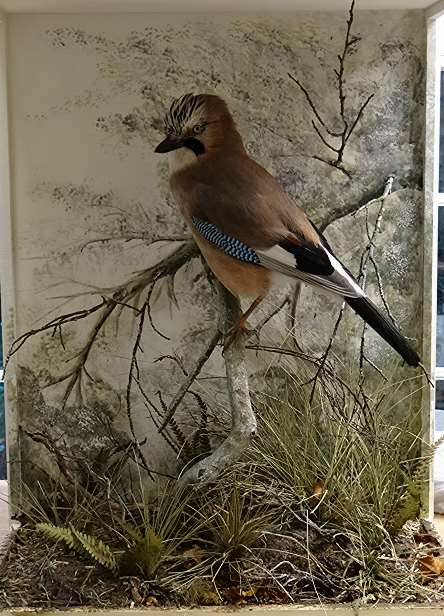
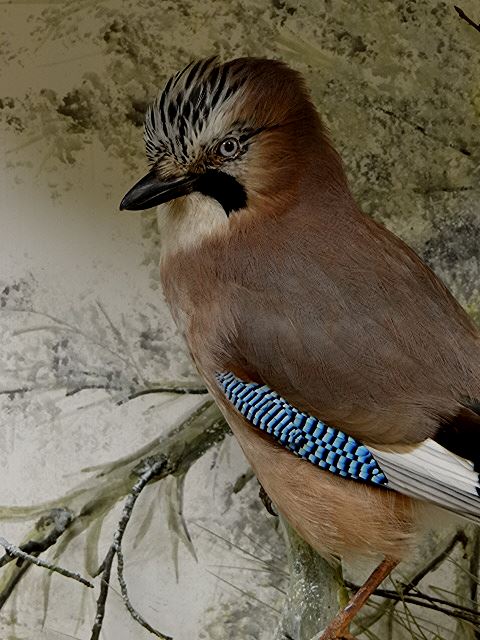
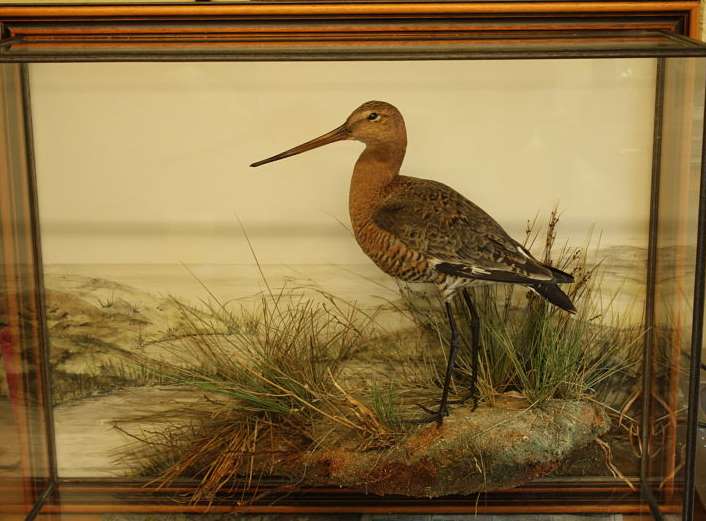
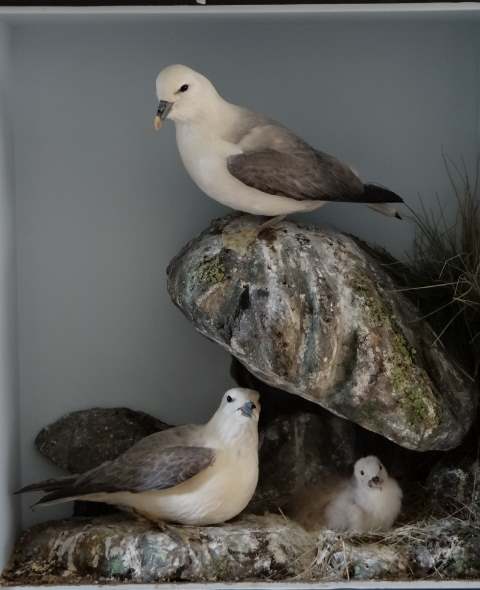
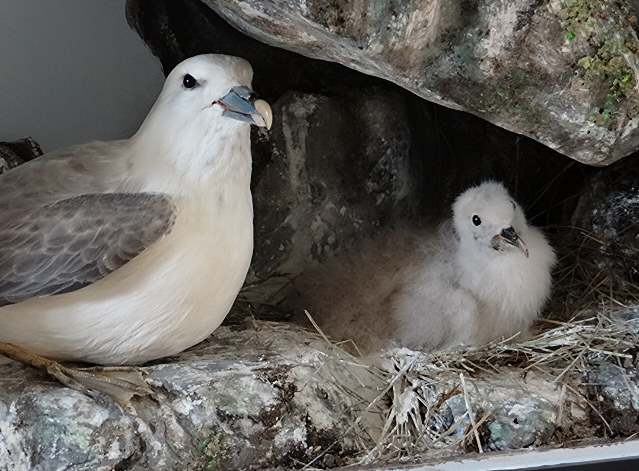
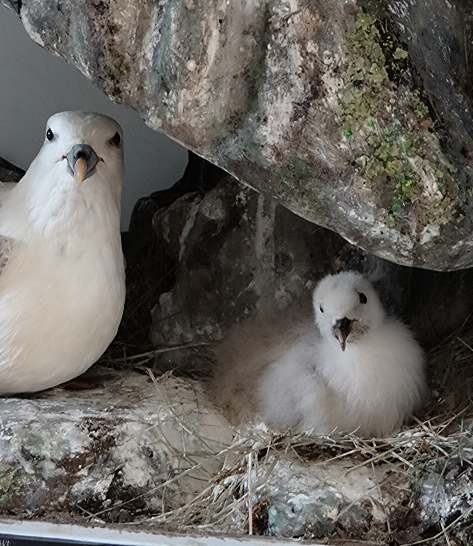
Kendal Museum
Apparently an extreamly well attended event with some 130 participants, some "club" members were in the audience toooooo. Carl Church exhibits were thoroughly enjoyed and the events, including the auction of specific items and prizes was a complete success. This could potenitally be a blueprint for other museums around the country to follow this example of raising awareness. The Dodo theme seems to be a winning formula. Well done Mr Church for your efforts in promoting the Dodo exhibit.
.
Kendal Museum
NEWS: Kendal Museum with the assistence of Mr Carl Church are creating The Dodo Exhibition. Also showcasing his work is Luke Williams of Staffordshire Skeletons. This exhibition is to run from July 4th until October 2013. Erroll Fuller, a leading authority on British Historical Taxidermy and the life of the Dodo and Sir David Attenborough have supported this undertaking. Well done Mr Sailor for his contribution to the events, namely his book documenting the Echalaz collection and how it came to be donated to the people of Liverpool.
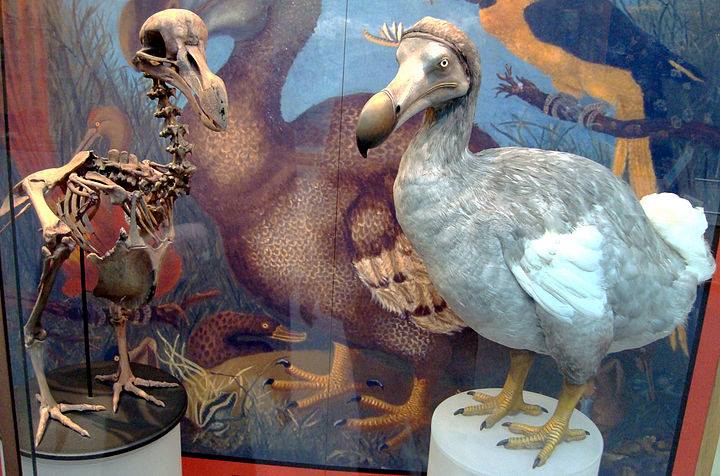
Dodo and Skeleton on display at Kendal Museum.
http://www.kendalmuseum.org.uk/what's_on_130502_great_dodo_exhibition.php
Apparently well worth a visit. Professor Carl G Jones MBE will open the event and hold a talk on the Mauritian Wildlife Foundation, the importance of the Dodo in history and recent projects he has worked on to save endangered species. What is evident is the absence of..............??? certain people. Perhaps the issues of the last year may have had an impact. Anyway, moving on.
http://www.kendalmuseum.org.uk/what's_on_130502_great_dodo_exhibition.php
Apparently well worth a visit. Professor Carl G Jones MBE will open the event and hold a talk on the Mauritian Wildlife Foundation, the importance of the Dodo in history and recent projects he has worked on to save endangered species. What is evident is the absence of..............??? certain people. Perhaps the issues of the last year may have had an impact. Anyway, moving on.
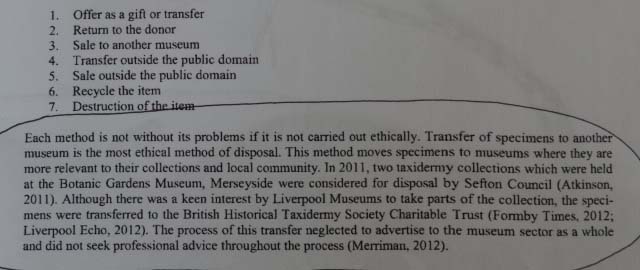
Source of the quote above was an Academic paper produced by Dr J Freedman for NatSCA. The Natural Sciences Collections Association (NatSCA) is the UK's organisation for representing Natural Science Collections and associated museum staff, and for communicating all relevant developments and news pertaining to that purpose. They exist to promote natural sciences collections and their use and care, and our aims include acting as an advocate, providing training, and promoting best practice within the network of their colleagues and affiliated institutions.
http://www.plymouth.gov.uk/freedman_undertaking_review_nathistcoll_natscanews.pdf
Interestingly Dr Freedman was not involved in any of the discussions that took place in 2011-12.
It is also worthwhile remebering that although Liverpool Museum were consulted (They were the only other museum involved seeking to acquire), they were only made aware of the horrendous / digusting developments after members of the public and the press informed them at the 11th hour when most of the decisions had already been made. The MA did not inform Liverpool of the disposal at the time of the decisions being made by Sefton Council, so Mr Freedman is right to observe what he has in his report.
If however you wish to complain about public property being given away from or by museums currently and in the future, please then write to the following people.
Mr Mark Taylor is a director of the Museums Association
Mr Alan Davey is the Chief Executive Officer of the Arts Coucil.
Both can be contact by email and both are aware of current views and developments.
Disgusting / vile undertakings. How can National Museums Liverpool with over 2million visitors per year, not be the recipients of a publicly owned collection (Echalaz collection) of regional importance. It lost out to a shed (Village of Rayne in Essex) that is not accessible by the general public. Seem logical to you????. Also how can The Museums Association, of which National Museums Liverpool being a board member, think is was "a good idea" to allow this to happen. Questions clearly are still being asked (2 million visitors verses a shed in Essex!!!!), as this vile issue has not gone away so to speak, with more and more objecting to this less than transparent vile undertaking."
Controversial Developments with the public property of Museums being given away (valuable taxidermy by famous naturalists), despite austere economic times and job losses in the public sector.
A group of dedicated objectors are now awaiting the decision of the MA and Arts Council. MA's position will be published in September 2012. National Museums Liverpool wanted the collections but were only informed after the decision was made to move the collections from public ownership.
Sadly National Museums Liverpool were not informed with sufficient time to do anything meaningful to retain these collections for the people of Liverpool. They were owned by the people of Liverpool and therefore public property prior to merely being given away and relocated to Essex, where they have no historical importance or relevance and most likely will never been seen again. Potentially, one or two badly restored cases perhaps.
The Echalaz Bird Collection. Notes on controversial disposal of public property.
Mr Mark Taylor is a director of the Museums Association
Mr Alan Davey is the Chief Executive Officer of the Arts Coucil.
Both can be contact by email and both are aware of current views and developments.
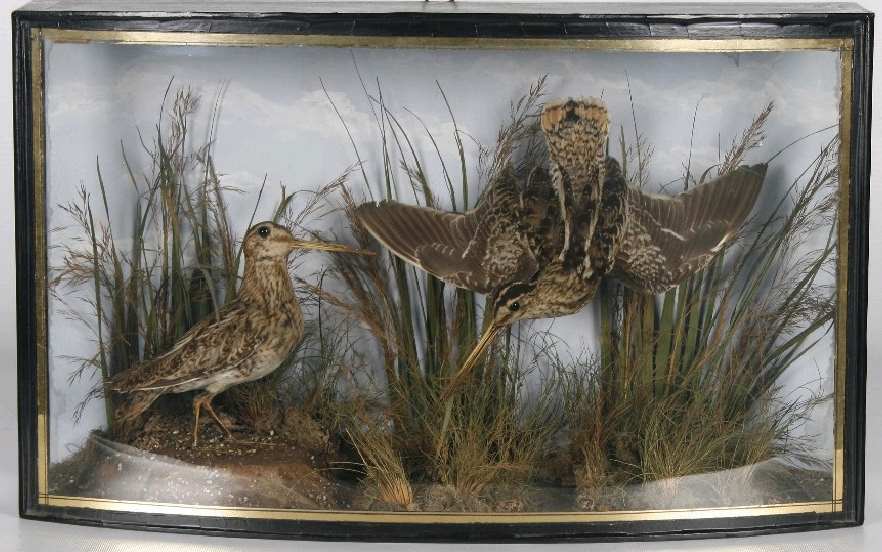
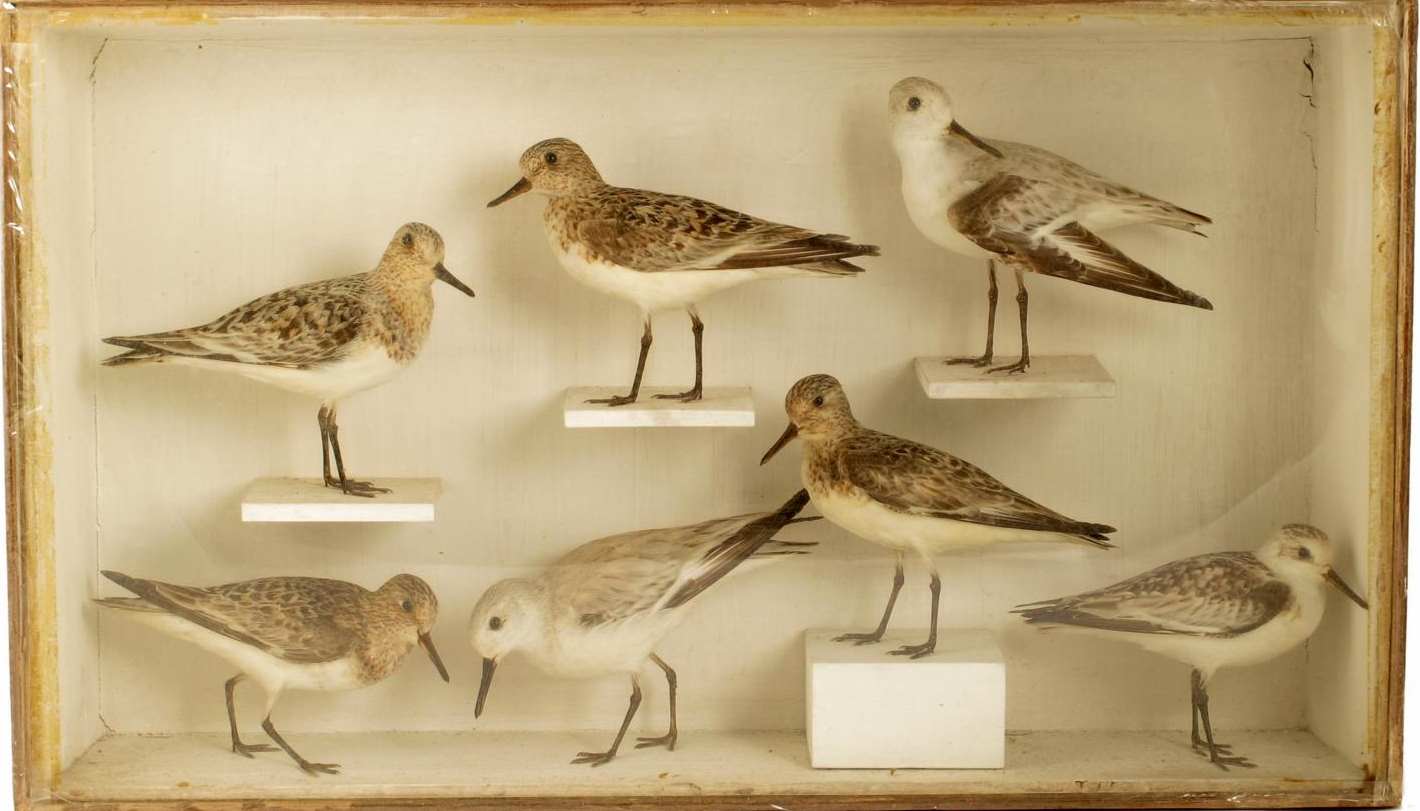
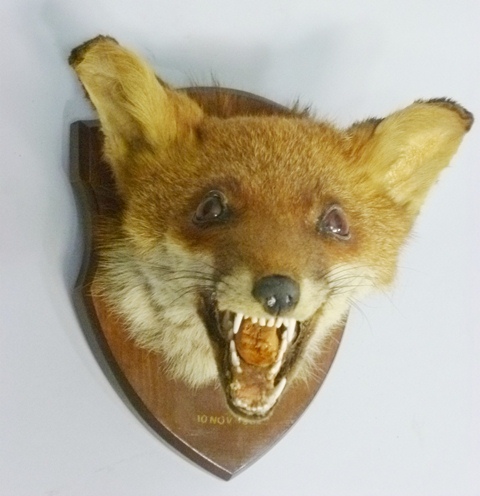
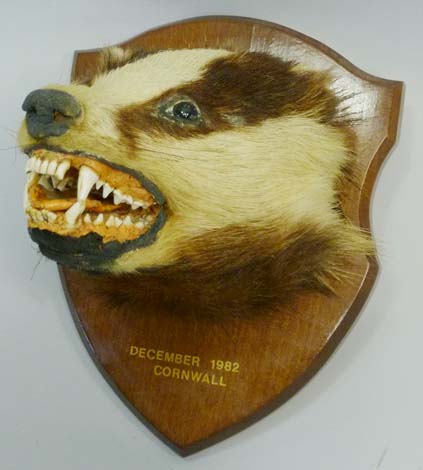
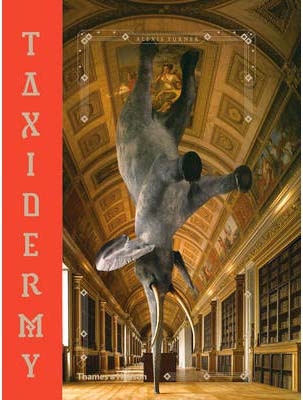
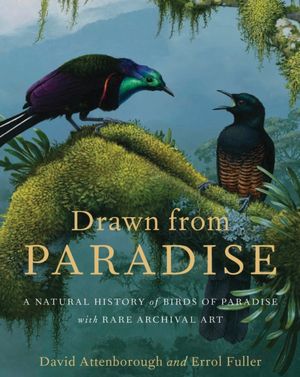
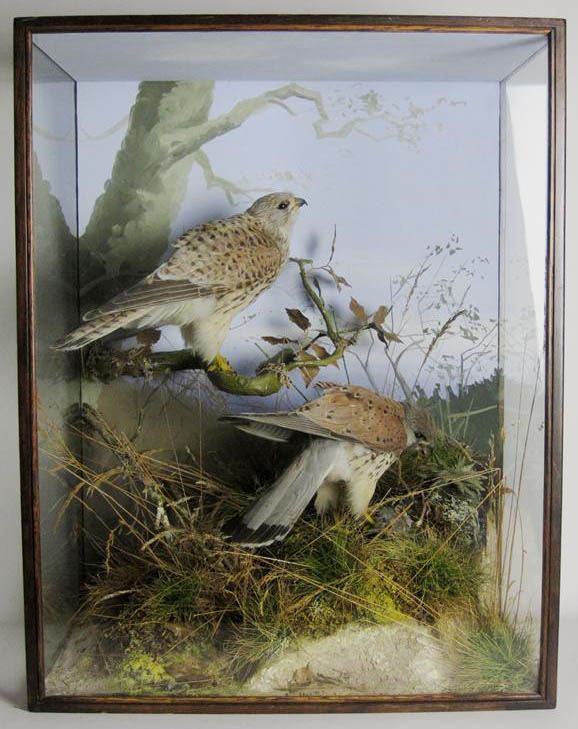
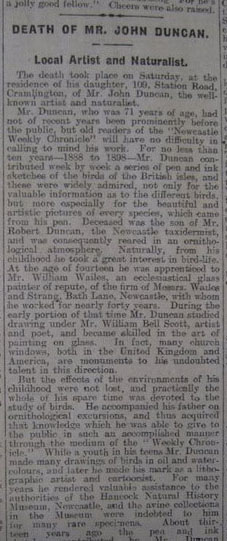
A new page dedicated to the work of Frederick Ernest Gunn has been launched. This collection is housed at the Haslemere Museum
![arcticfoxdssmith [640x480].JPG](arcticfoxdssmith [640x480].JPG)
![labduckds2 [640x480].JPG](labduckds2 [640x480].JPG)
Was launched yesterday by Mike Gadd on his new website, please see this link. Competitively priced although higher on other websites we note. Order your copy now, by following this link in your web-browser and view the flyer and purchase a book.
Historical Taxidermy book for sale by Pat Morris.
![morrisflyer [640x480].jpg](morrisflyer [640x480].jpg)
![march 10 171[1].JPG](march 10 171[1].JPG)
In Addition
Latest 70 modern and historical taxidermy pages within this site
G.W.Quatremain.
European Red Fox.
Museum Style cases.
Herring Gull Chicks.
Spicer Whooper Swan
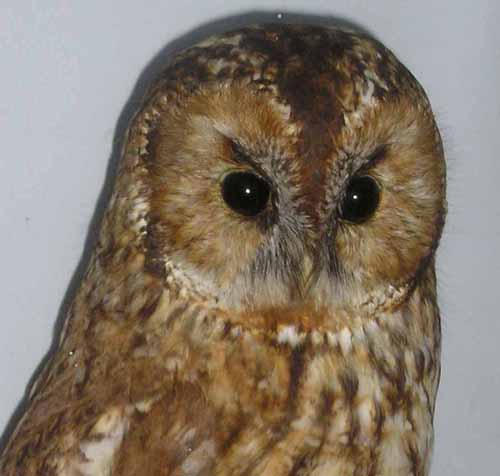
TE Gunn II.
 |
 |
 |
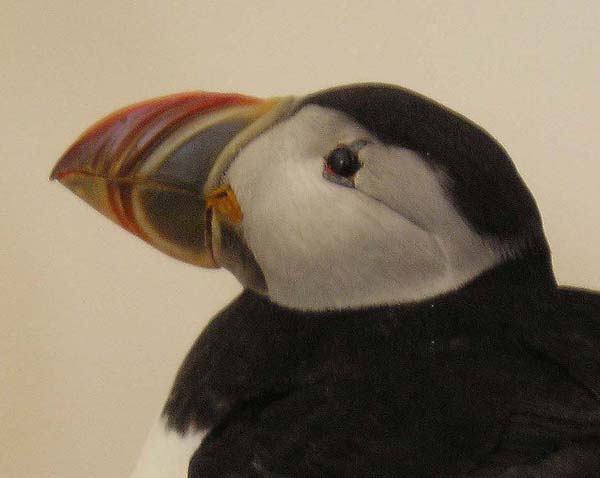 |
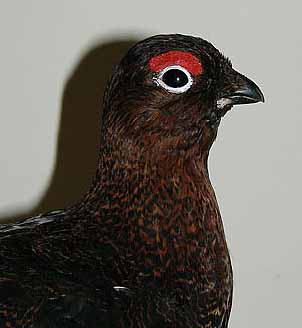
| Red Grouse . | F.M.Ogilvie case drawings | Exotics. | Puffins.. |
 |
 |
 |
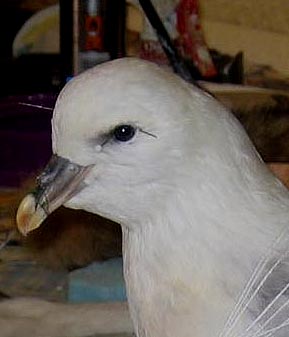 |
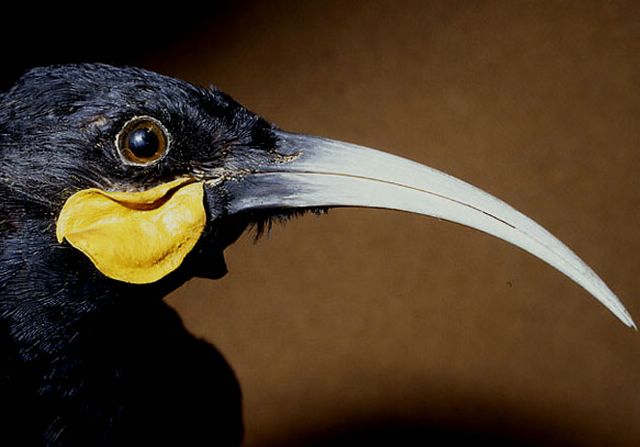
| New Zealand Huia. | New Tony Armitstead page. | The Haslemere Museum collection. | Northern Fulmar. |
 |
 |
 |
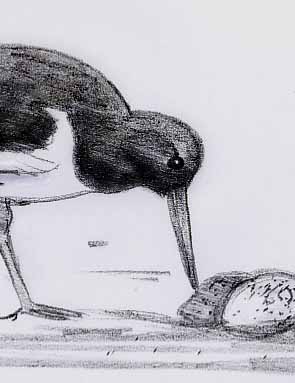 |
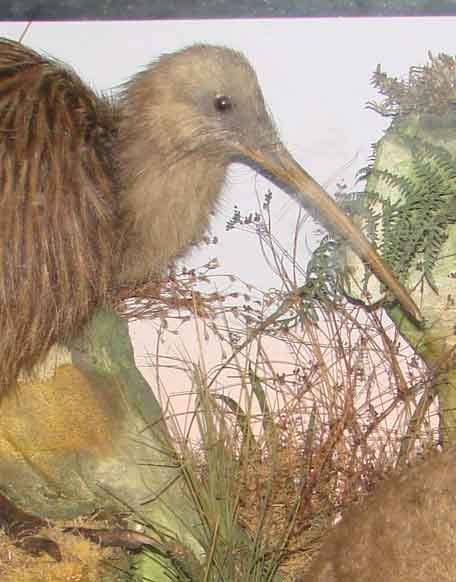
| James Hutchings II. | Kiwi. | Rowland Ward II.. | Oystercatcher nest scene. |
 |
 |
 |
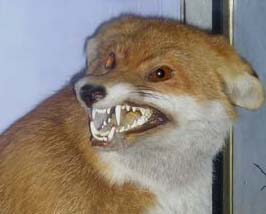 |
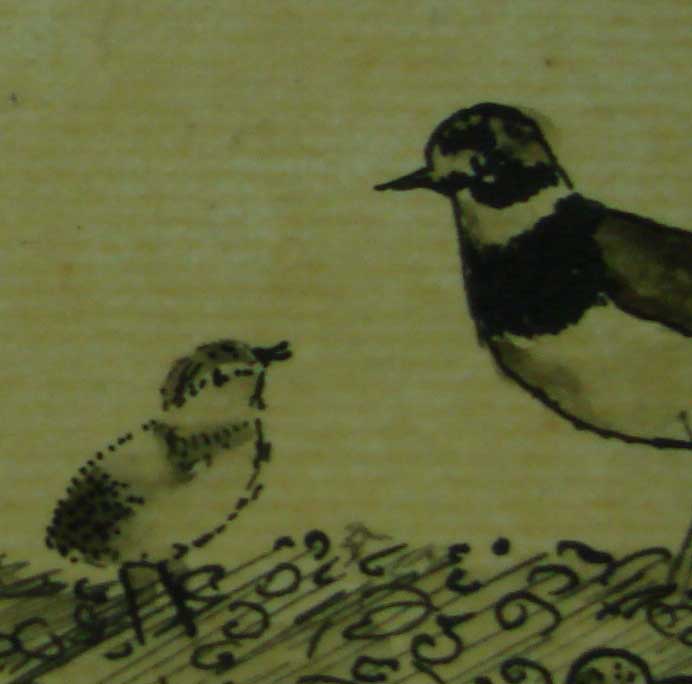
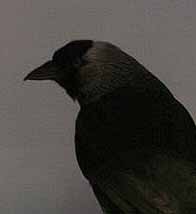
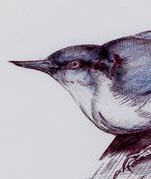
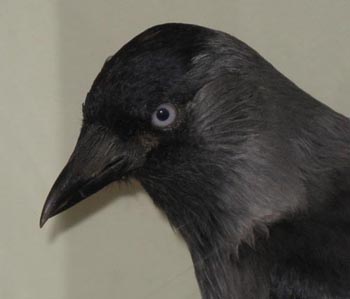
| Jackdaw (Corvus monedula). | Bird Sketches. | Modern day masterpieces. | "The Welsh Room II". |
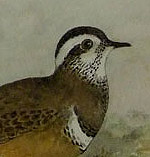 |
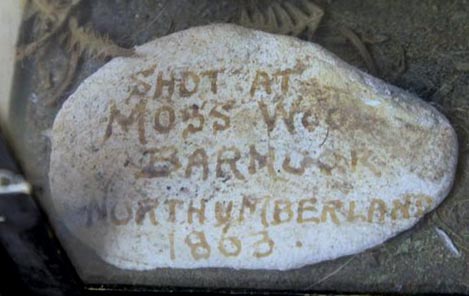 |
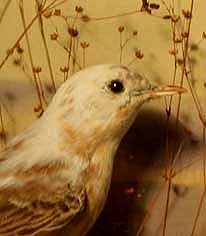 |
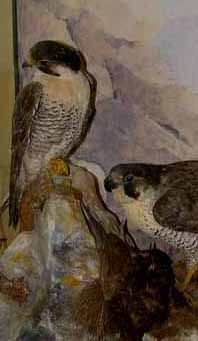 |
| George Herd 1876-1926 | Historical taxidermy data. | William Farren, Pied Wheatear. | Peter Spicer & Sons Peregrine Falcons. |
 |
 |
 |
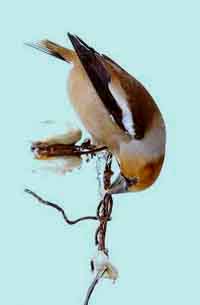 |
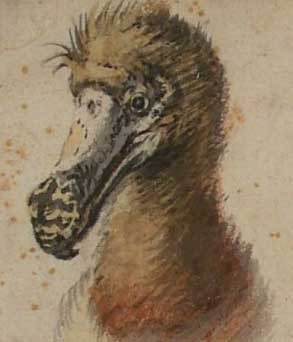
| The Dodo. | Museum Quality victorian taxidermy. | Fred Sanders, Islington. | European Bird Taxidermy. |
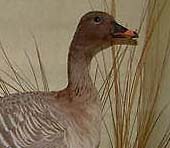 |
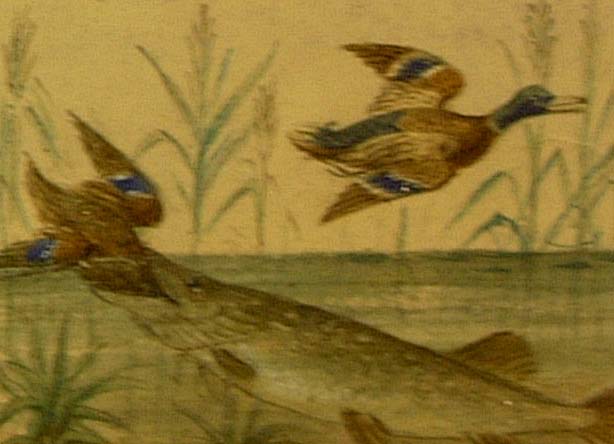 |
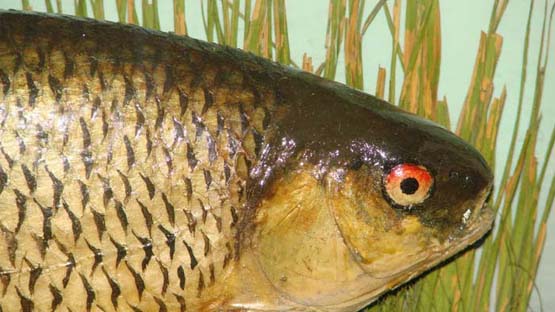 |
 |
| H.N.Pashley of Cley. | TE Gunn's watercolour. | John Cooper & Sons II. | Great Bustard. |
 |
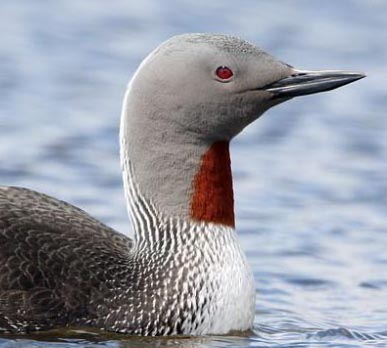 |
 |
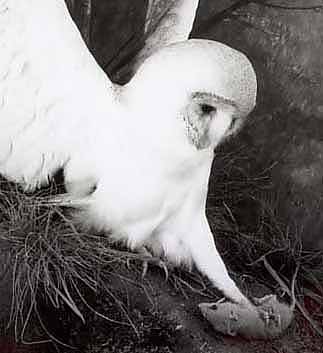 |
| Shellbrooke of Brignorth. | Red-Throated Diver. | Rowland Ward Ephemera. | Peter Spicer & Sons. |
 |
 |
 |
 |
| Ephemera. | "Little America". | "3 Little Kittens who have lost their mittens" | Carrion Crow & Moorhen. |
 |
 |
 |
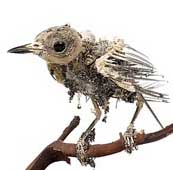 |
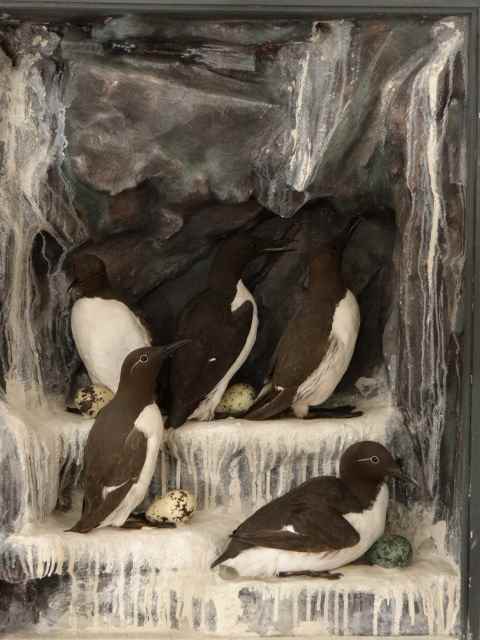
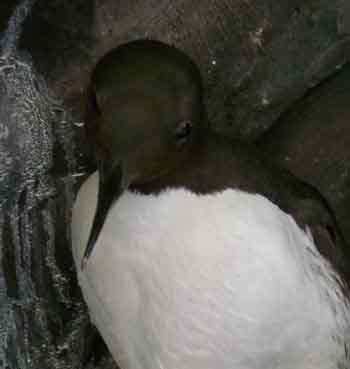
| Common Guillemot. | Charles Thorpe. | Van Ingen of Mysore. | Antique case restorations. |
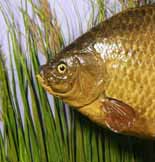 |
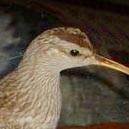 |
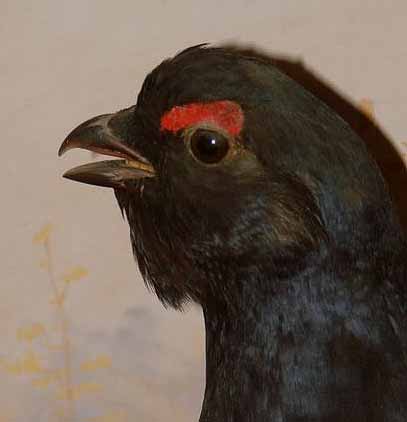 |
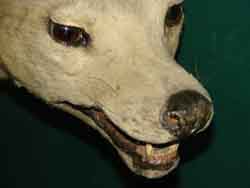 |
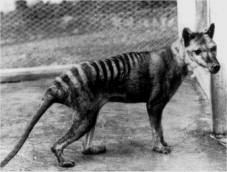
| James Millar / Collection dispersement service. | Eskimo Curlew. | More Peter Spicer. | "Tasmanian Wolf,", now extinct. |
 |
 |
 |
 |
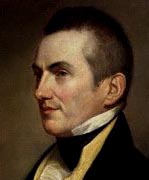
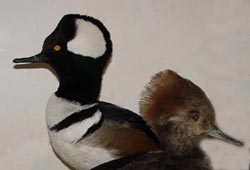
| W.Barnes, Islington. | Charles Waterton | Hooded Mergansers. | John Bisop Murray. |
 |
 |
 |
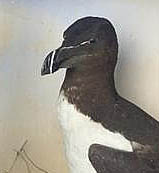 |
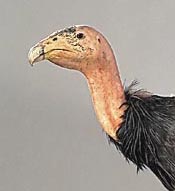
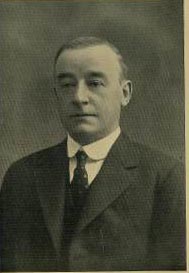
| The Californian Condor. | The Gainsford Hall disposal 1985. | The Hart-Hall disposal 1982 | F Lawrence & Co, Leeds. |
 |
 |
 |
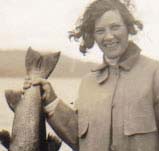 |
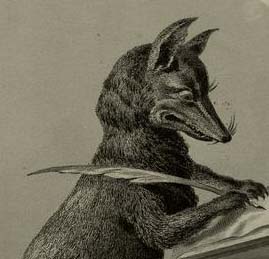
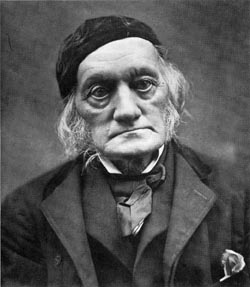
| F.M.Ogilvie. | Anthropomorphic taxidermy. | Sir Richard Owen. | 1935 Record Trout by John Cooper & Sons. |
 |
 |
 |
 |
| WF Homer of Forest Gate, London | Gerrard's of London. | Trophy Heads. | Soul in the Skin. |
 |
 |
 |
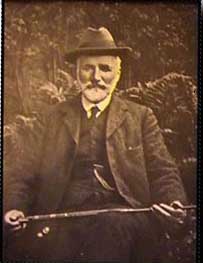 |
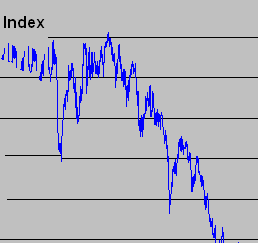
| The Welsh Room III. | "The Written Word". | UK Taxidermy price index. | Malloch of Perth. |
Additional 77 Featured Historical Taxidermy pages within this site from the 192 pages packed within information on this subject making it the most comprehensive globally.
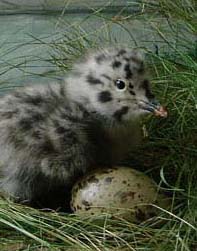 |
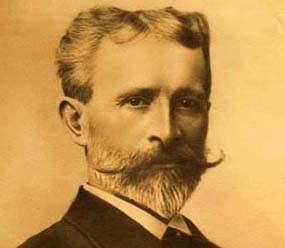 |
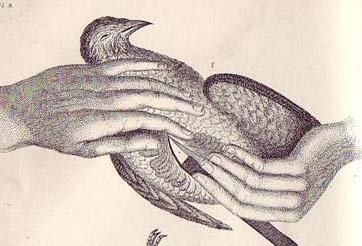 |
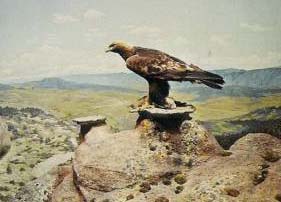 |
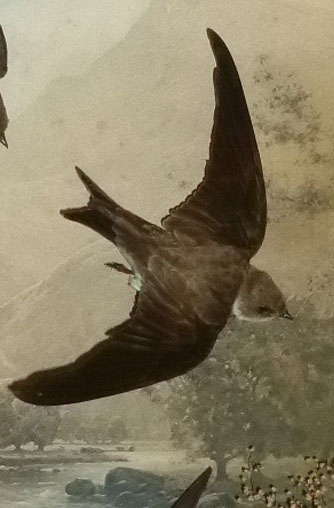
| Taxidermy chicks. | Darwin Museum, Moscow. | Historical Images | Dioramas. |
 |
 |
 |
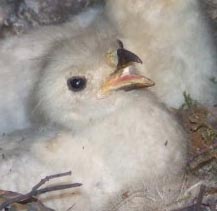 |
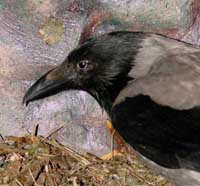
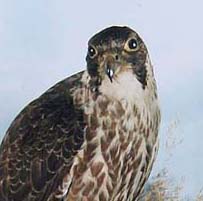
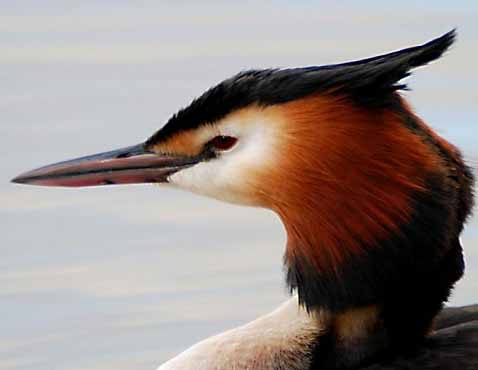
| UK Bird Taxidermy. | Hooded Crows. | John Cooper Birds | The Echalaz Bird Collection. |
 |
 |
 |
 |
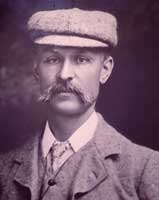
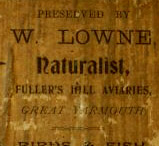
| The Climmers. | Plume Hunters. | Walter Lowne | George Bristow. |
 |
 |
 |
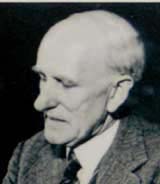 |
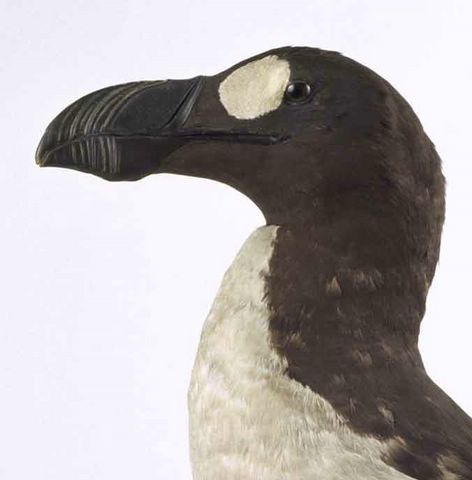
| Henry Shaw, taxidermist. | The Great Auk. | Williams of Dublin | Mountney of Cardiff. |
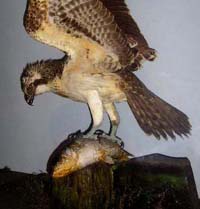
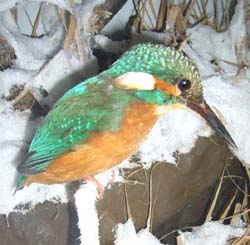
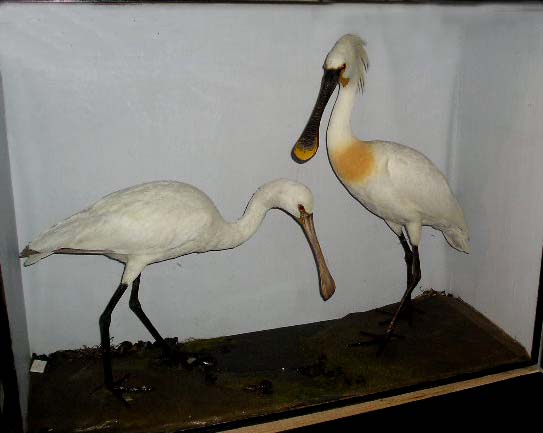
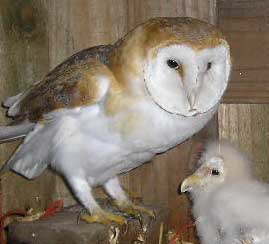
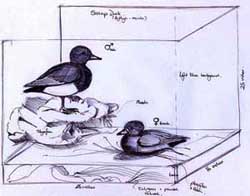
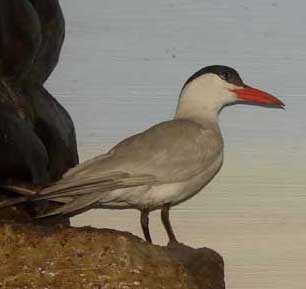
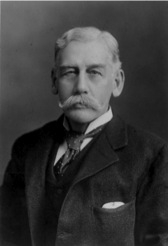

![hutchpolbon [640x480].jpg](hutchpolbon [640x480].jpg)
![whoknows[1].JPG](whoknows[1].JPG)